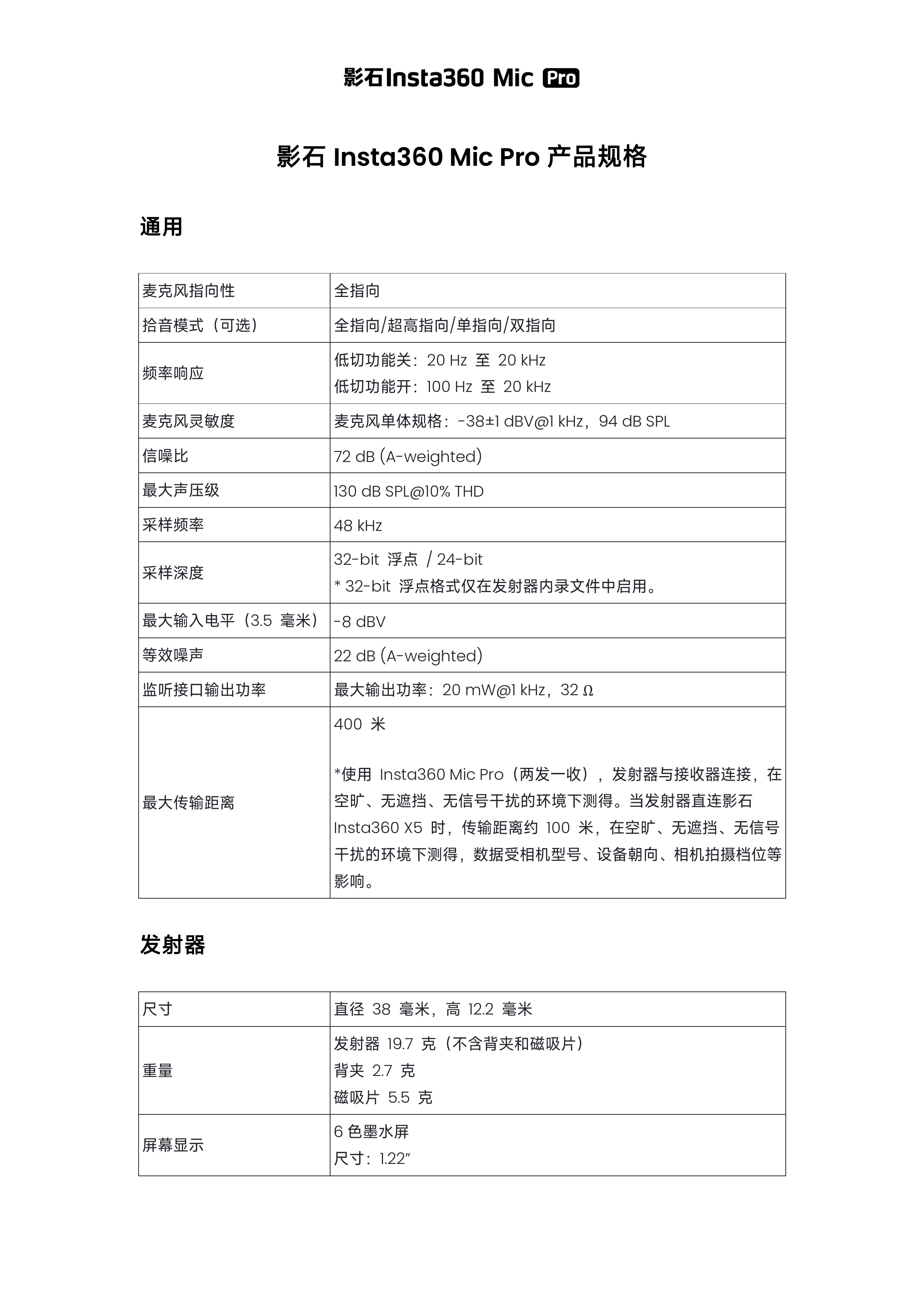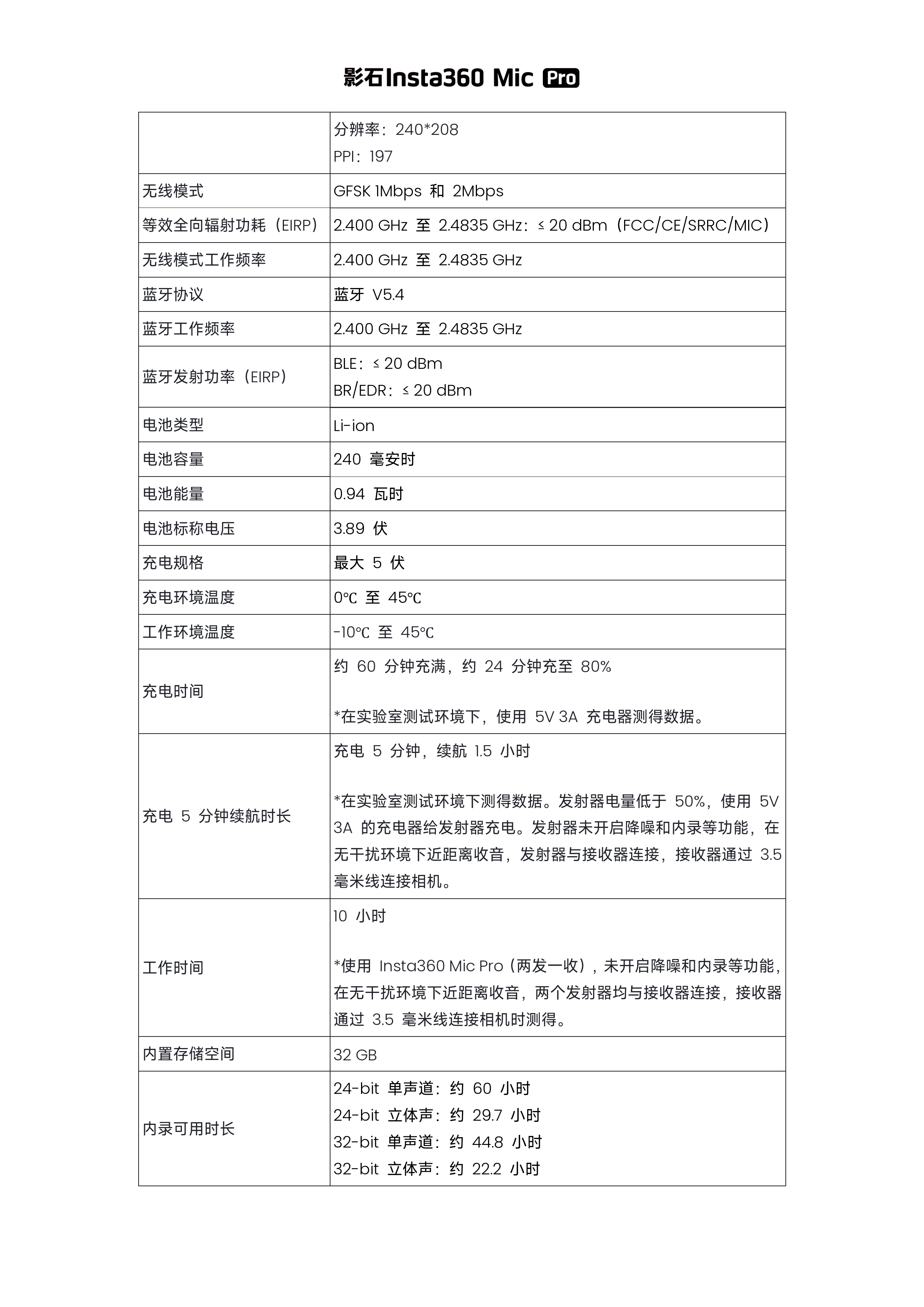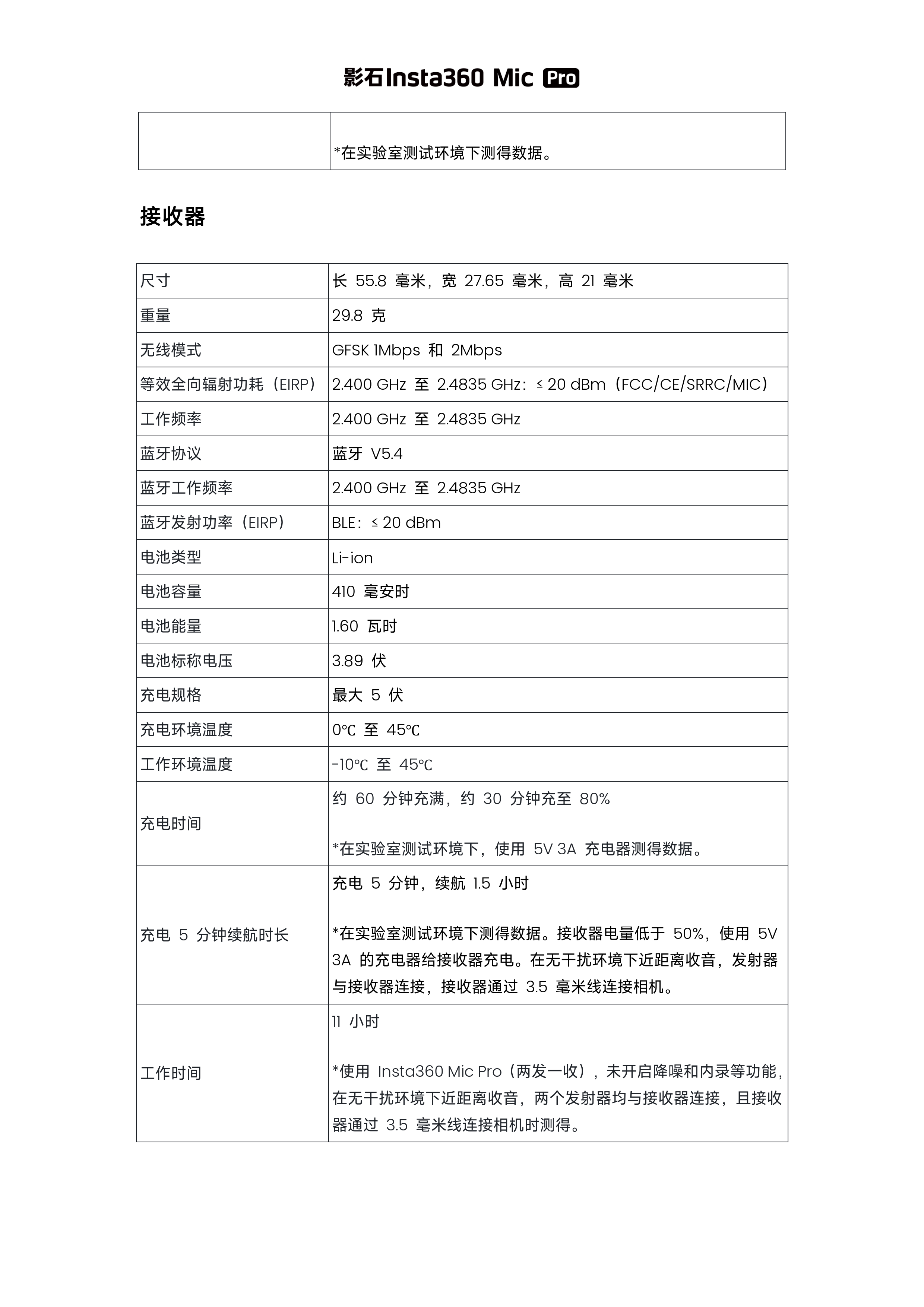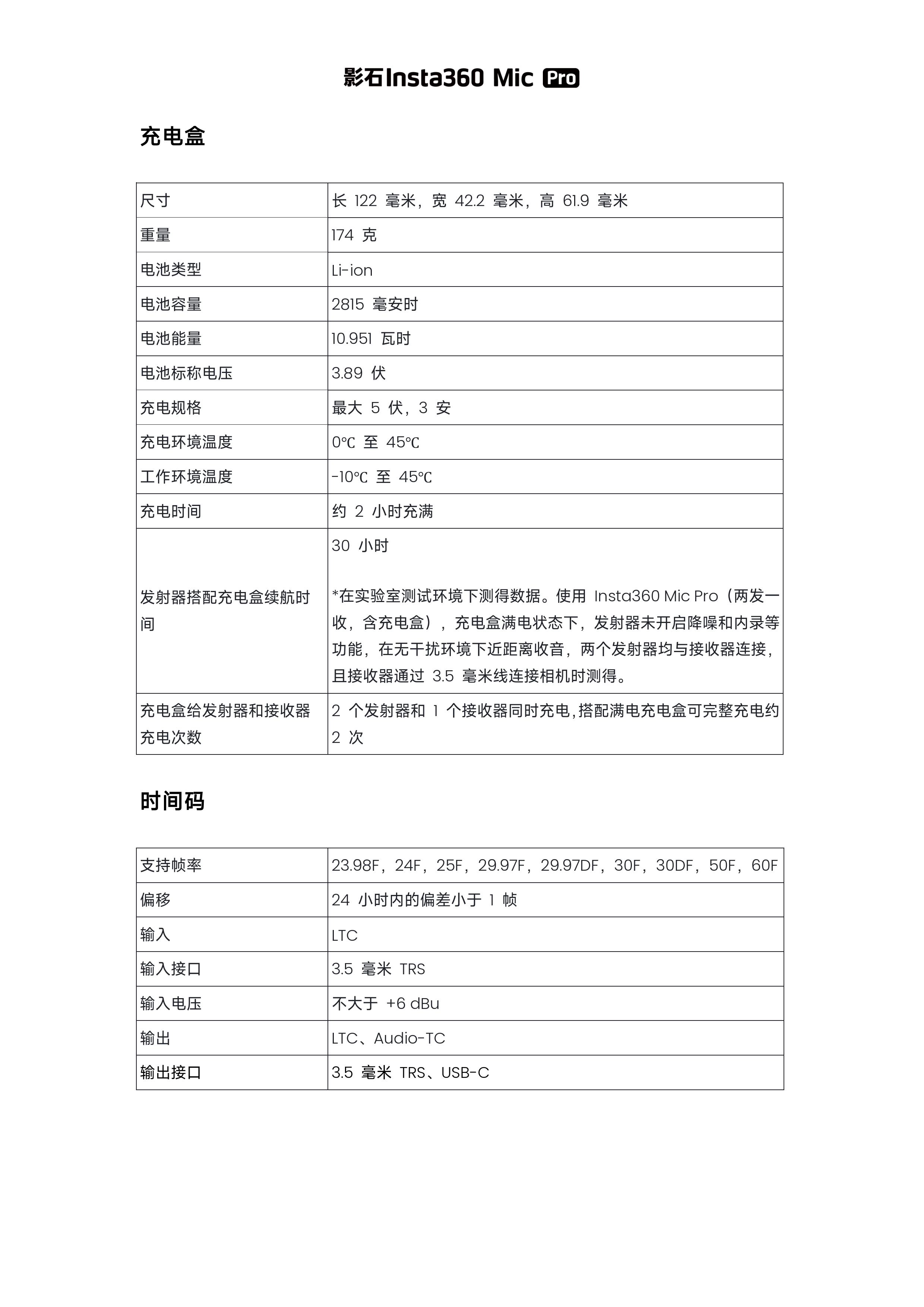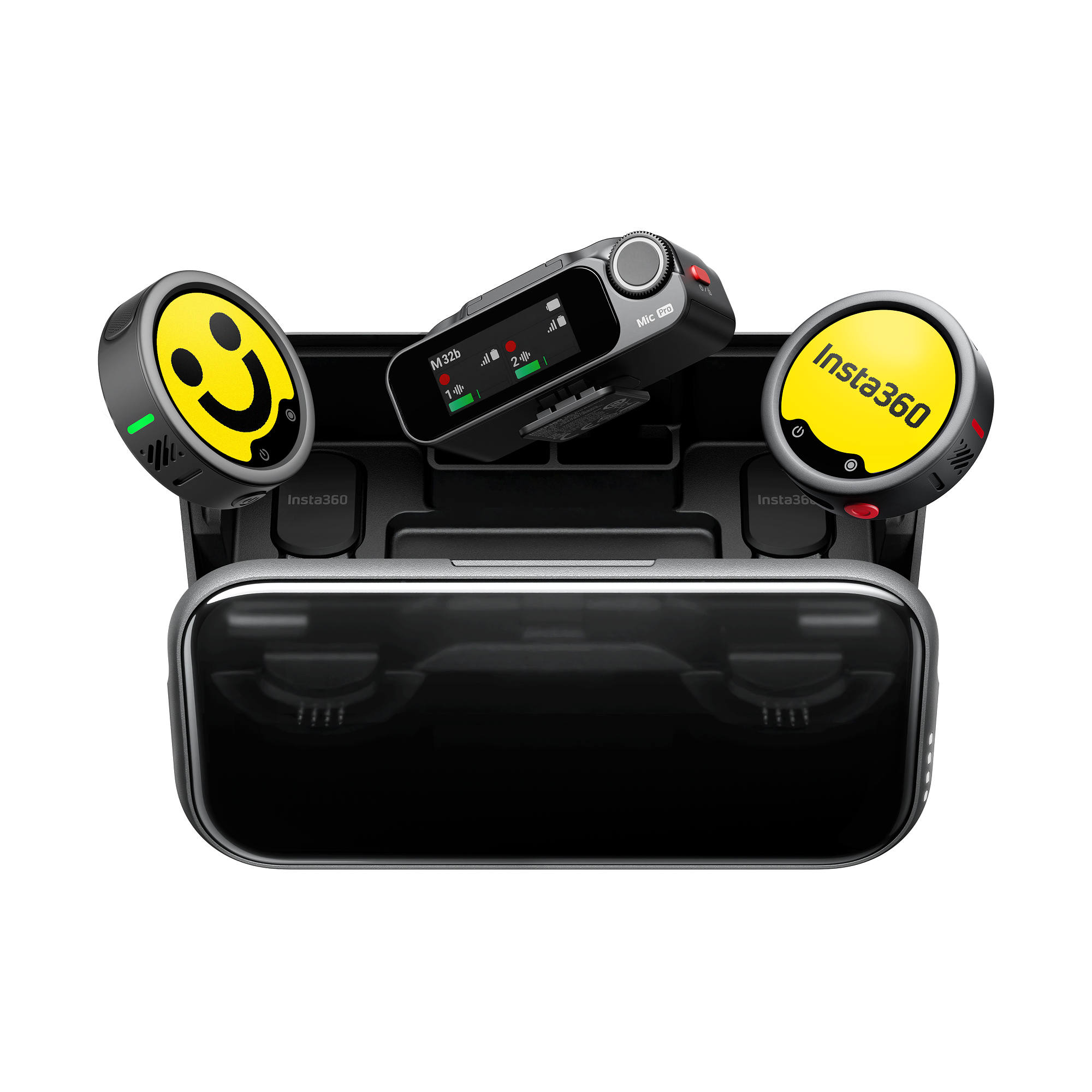

On May 19, 2026, Insta360 launched its first flagship wireless microphone, the Mic Pro. This release is not just an upgrade in audio performance, but a redefinition of the "productivity tool." Its most striking innovation is the integration of a 1.22-inch color ePaper (e-ink) screen on the microphone body. While this is not the first time e-ink has appeared in consumer electronics, it marks the first time it has taken the stage on a wireless lavalier microphone as a "customizable, expressive" feature. Amidst a sea of identical audio devices, this tiny screen has become the Mic Pro's most prominent identifier, turning it into a small "canvas" for creators and a personal social business card.
Why E-Ink? A Technical Choice Driven by Creator Pain Points
For a long time, the design of mainstream wireless microphones has been uniform: a black body with a prominent brand logo. This hides a long-overlooked pain point—why should a creator’s video content be used as free advertising for microphone manufacturers?
A vlogger spends hours meticulously editing a video, yet a large logo from another brand hangs on their collar the whole time; a production company shoots a professional promo, but a microphone manufacturer’s badge is front and center. Of course, users have their own workarounds: using stickers, wrapping tape, or using external mic cables to hide the transmitter off-camera. However, these methods are neither aesthetically pleasing nor convenient.
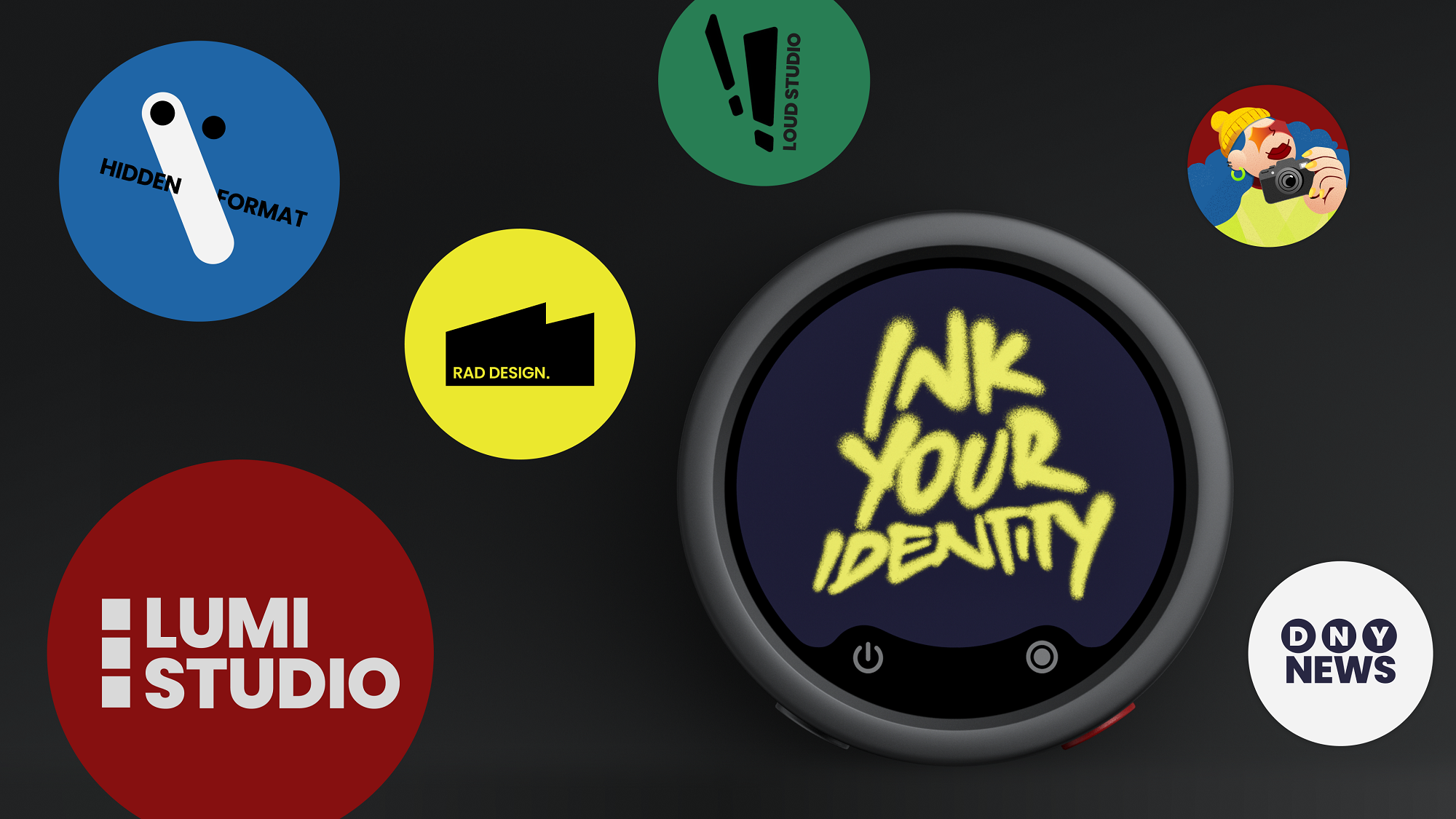
Insta360 identified this pain point and proposed a bold solution: Why not let the microphone itself become a part of the visual expression? Since the microphone must appear on camera, why not dispense with traditional brand logo placement and turn it into a "canvas" that allows creators to display their own names, logos, channel identifiers, or any image they like?
The ideal solution to this problem is E-ink. Its physical properties naturally align with the usage scenarios of a microphone.
Prioritizing Battery Life: E-ink is a reflective display technology that requires no backlight and consumes almost no power when displaying static images. Even when the microphone is powered off, the pattern or logo remains clearly visible. The Mic Pro transmitter offers about 10 hours of battery life on its own, and up to 30 hours with the charging case—the "power-efficient" screen plays a major role in this.
Outdoor Performance: Outdoor shooting is a high-frequency use case for microphones, requiring the screen content to be captured clearly on camera, even in direct sunlight. E-ink uses reflective principles; the brighter the sunlight, the sharper the custom pattern appears. The Mic Pro screen is covered with an AG+AR coating to minimize reflections and increase light transmission, ensuring it remains clear in both indoor and outdoor settings.
Expanding Beyond Black and White: To truly make the microphone a part of visual expression, it cannot be limited to monochrome. The Mic Pro utilizes an industry-leading E6 six-color module, supporting six primary colors (black, white, red, yellow, blue, and green), and uses dithering algorithms to create rich color layers. Users can choose between "Natural" and "Vivid" modes, ensuring that everything from simple outlines to complex patterns is presented clearly.
From "Display" to "Expression": Creating Real Value for Creators
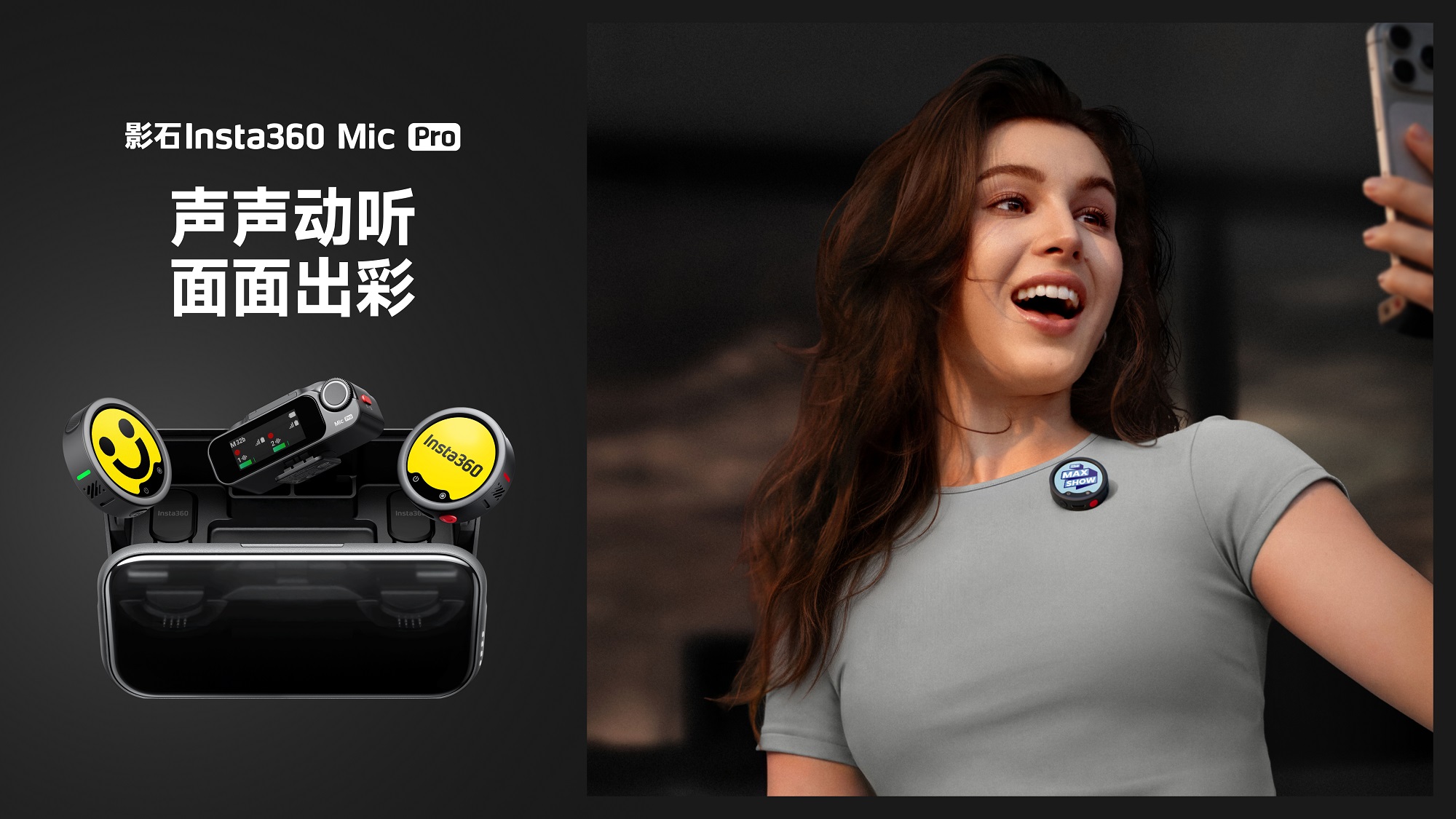
Insta360 has further unlocked the value of the E-ink screen, turning it into a core tool for enhancing creative efficiency and building personal style. Through the Insta360 App, creators can choose from official theme galleries or upload their own custom designs:
l Commercial Shoots: Display brand logos consistently to maintain visual identity, ending the need to "advertise for someone else."
l Self-Media Creators: Reinforce personal IP by displaying channel identifiers or the theme of the current episode during the shoot.
l Multi-Speaker Scenarios: Assign names or camera IDs to each microphone to easily distinguish between devices. This eliminates the "rough-and-ready" use of colored tape and significantly improves collaborative efficiency.
l Team Collaboration: Easily share settings via the "Personalized Wallpaper" page in the Insta360 App. By clicking the share button, users can generate a QR code or share code, allowing team members to synchronize screen settings instantly without manual configuration.
Beyond the Screen: Full-Dimension Hardware and Software Innovation
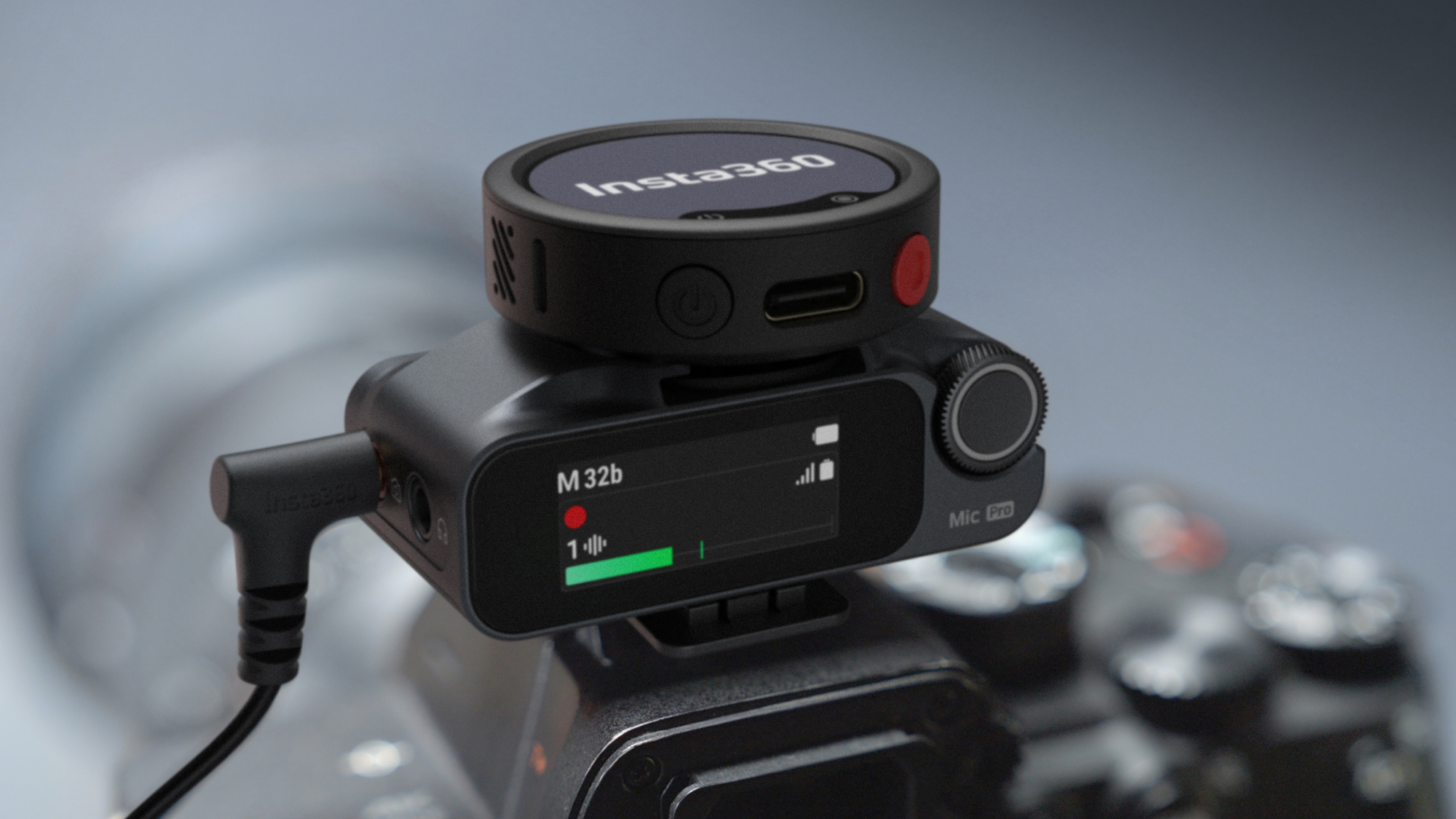
While the E-ink screen is the most eye-catching innovation, it is far from the only one. Insta360 has achieved several breakthroughs in audio architecture: Each transmitter features three built-in omnidirectional microphones, utilizing beamforming algorithms to provide four pickup modes (Omnidirectional, Super-directional, Cardioid, and Figure-8). Combined with the innovative "on-camera" mounting method, it flexibly handles various recording scenarios, even in complex environments.
At the chip level, the Mic Pro includes a dedicated NPU (Neural Processing Unit), significantly increasing processing power to more accurately identify and eliminate noise while preserving natural, realistic vocals. The audio system includes a "double safety net"—32-bit float internal recording captures an extremely wide dynamic range for post-production flexibility, while Automatic Gain Control (AGC) balances volume in real-time. Additionally, stereo internal recording allows a single microphone to capture spatial and directional audio, creating an immersive experience.
In multi-device collaboration, the Mic Pro excels: the "4-transmitter-to-1-receiver" mode supports four-channel independent output, perfect for multi-person podcasts or interviews. The "2-transmitter-to-4-receiver" mode can distribute audio from two transmitters to four different cameras simultaneously, solving synchronization issues in multi-cam setups or live streams. As a key part of the Insta360 imaging ecosystem, the Mic Pro can connect directly to most Insta360 cameras via Bluetooth, outputting 48kHz high-definition audio without a receiver, enabling a seamless "audio and video in one" experience.

In a highly competitive wireless microphone market, the Insta360 Mic Pro has carved out a unique position through the cross-over fusion of E-ink and audio technology, offering irreplaceable competitiveness for vlogging, commercial production, and multi-cam recording.
The significance of the Mic Pro is not just about placing an ePaper screen where it hasn't been before, but proving that when the physical properties of a mature technology perfectly match the needs of a specific scenario, it creates an unprecedented user experience. This "start with the end in mind" product philosophy—identifying the essence of user needs and working backward to find the most suitable technical solution—is becoming a new paradigm for consumer electronics innovation. The Mic Pro provides a valuable reference for the application of E-ink in audio devices, showing that a screen that "can express itself" allows microphones to evolve from "being heard" to "being seen.