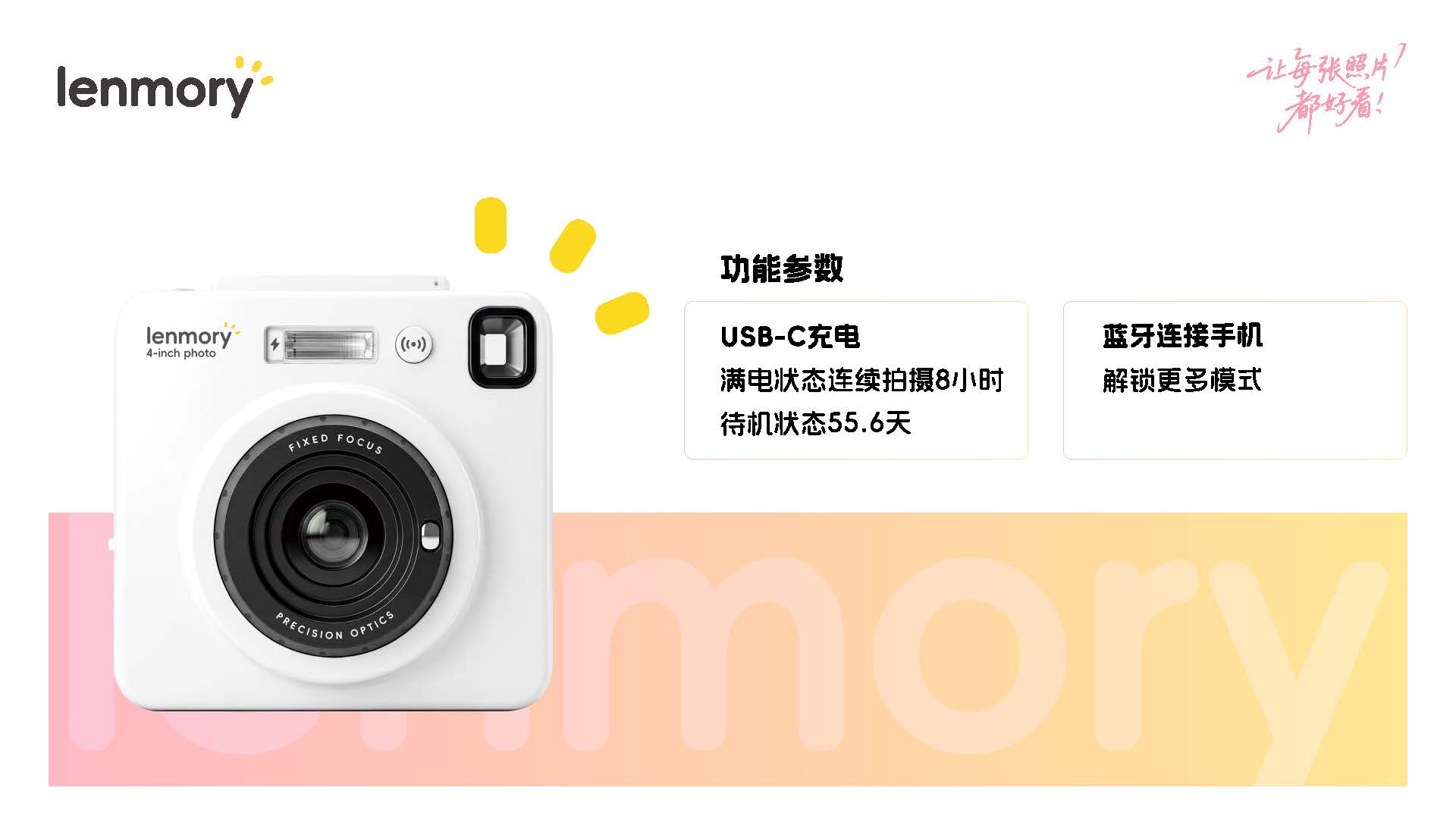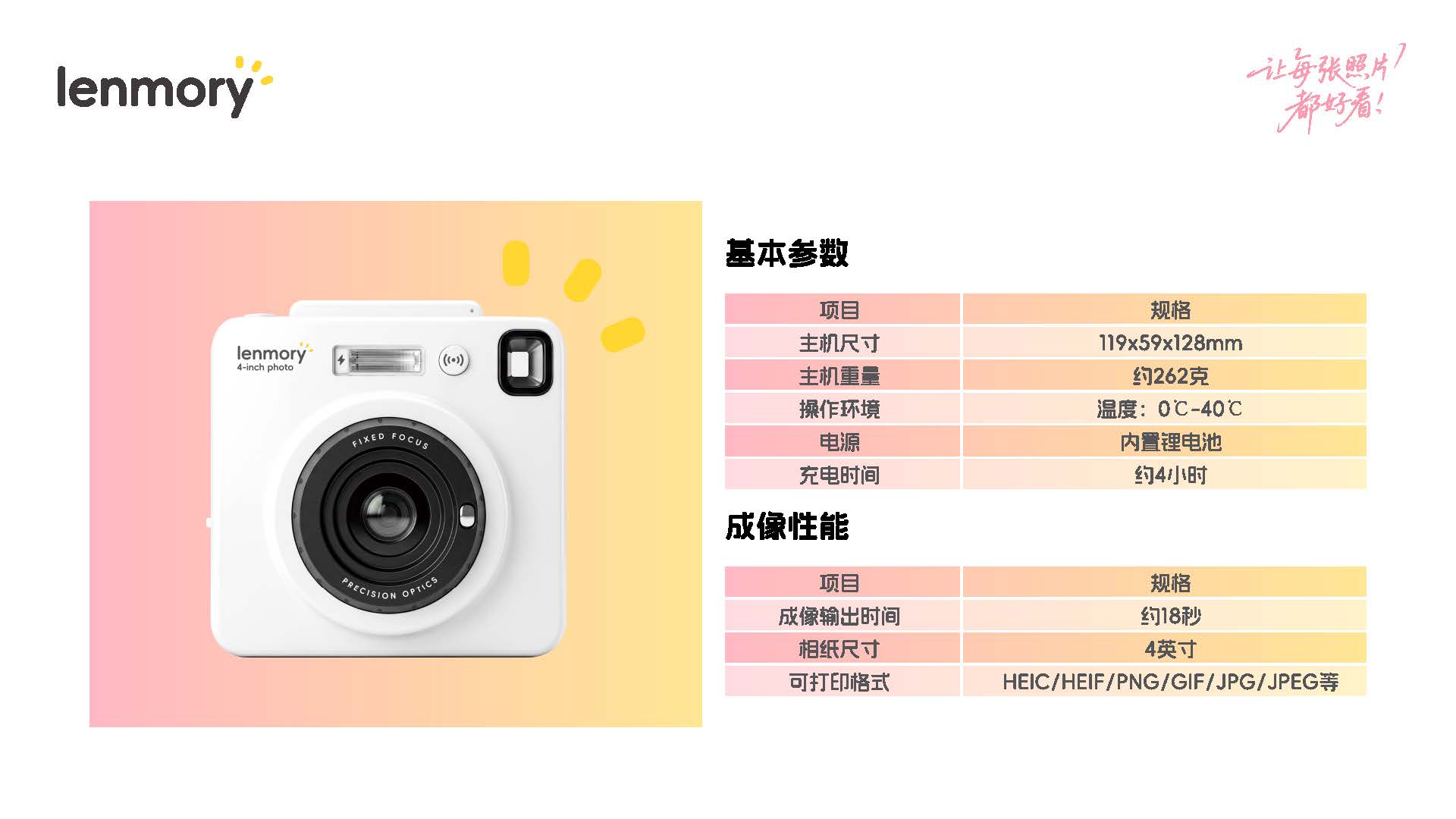

Many people love instant cameras not because they produce better image quality or are more advanced than smartphones. On the contrary, they have many "imperfections": colors may shift, poor lighting easily ruins shots, the shutter cannot be undone once pressed, and the development process is full of uncertainty.
Yet it is precisely these imperfections that give instant cameras a charm that smartphone photos can hardly replace. When a photo slowly emerges from the machine, when the image gradually appears, when friends gather around waiting for it to develop — in that moment, the photo is no longer just a file, but something like a real souvenir of a moment that actually happened. It can be passed to someone else, written with a message, stuck on a wall, or tucked between the pages of a book. It carries the warmth of the moment, the emotion of the scene, and a precious sense that "this is the only one."
We initially fell in love with instant cameras for this very feeling.
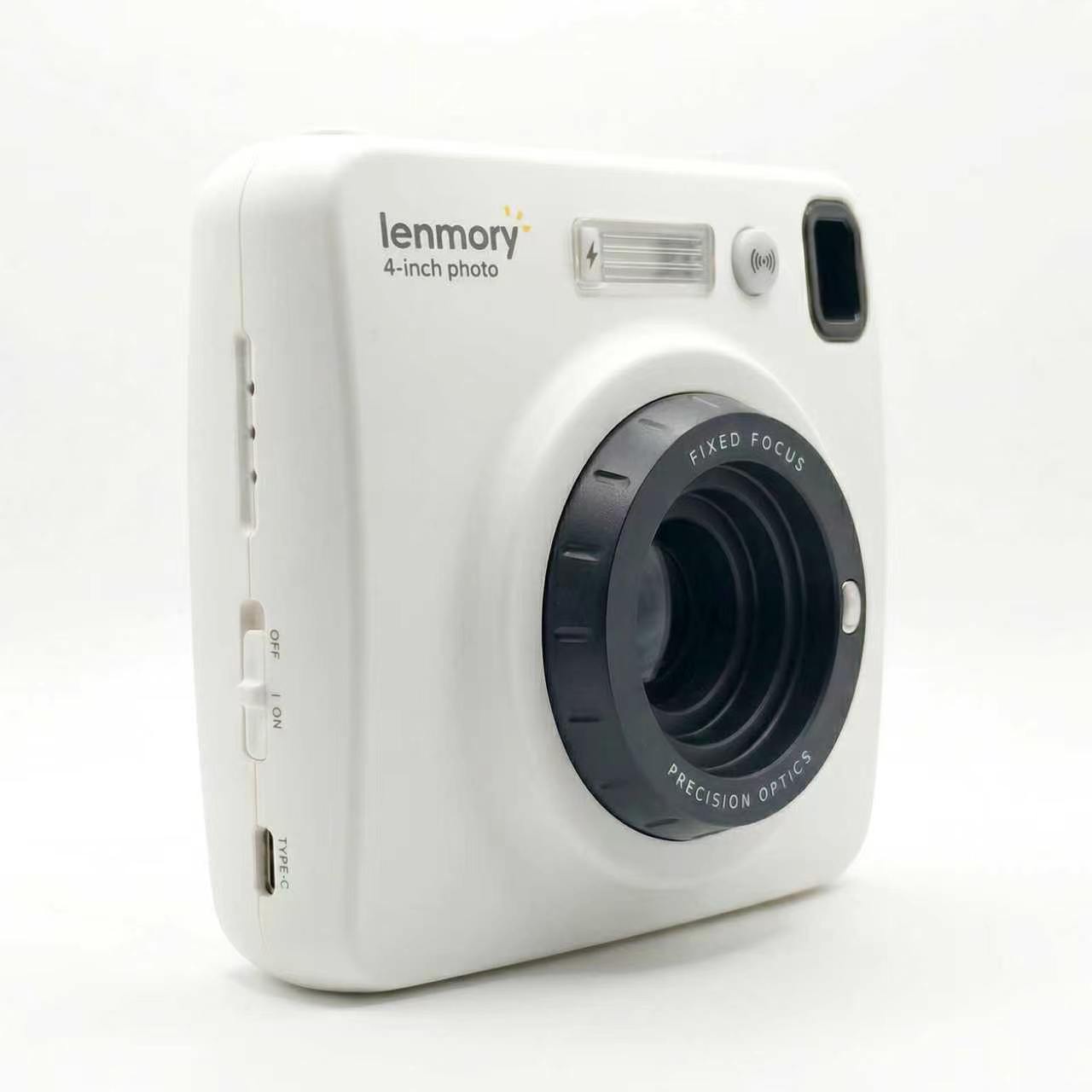
But the longer you like instant cameras, the more acutely you feel their limitations. Film is too expensive, making every shutter press cautious; the risk of a ruined shot turns what should be casual recording into hesitation; the consumable nature of the medium quietly adds a subtle cost pressure to the act of "documenting life." Often, it's not that people don't want to take photos — it's that they start calculating before pressing the shutter: is this shot worth it?
Recording, which should be the lightest of actions, becomes a choice that requires weighing trade-offs.
It was through this long-term observation that an idea about "making recording more free" began to take shape. And the origin of this idea didn't appear out of nowhere.
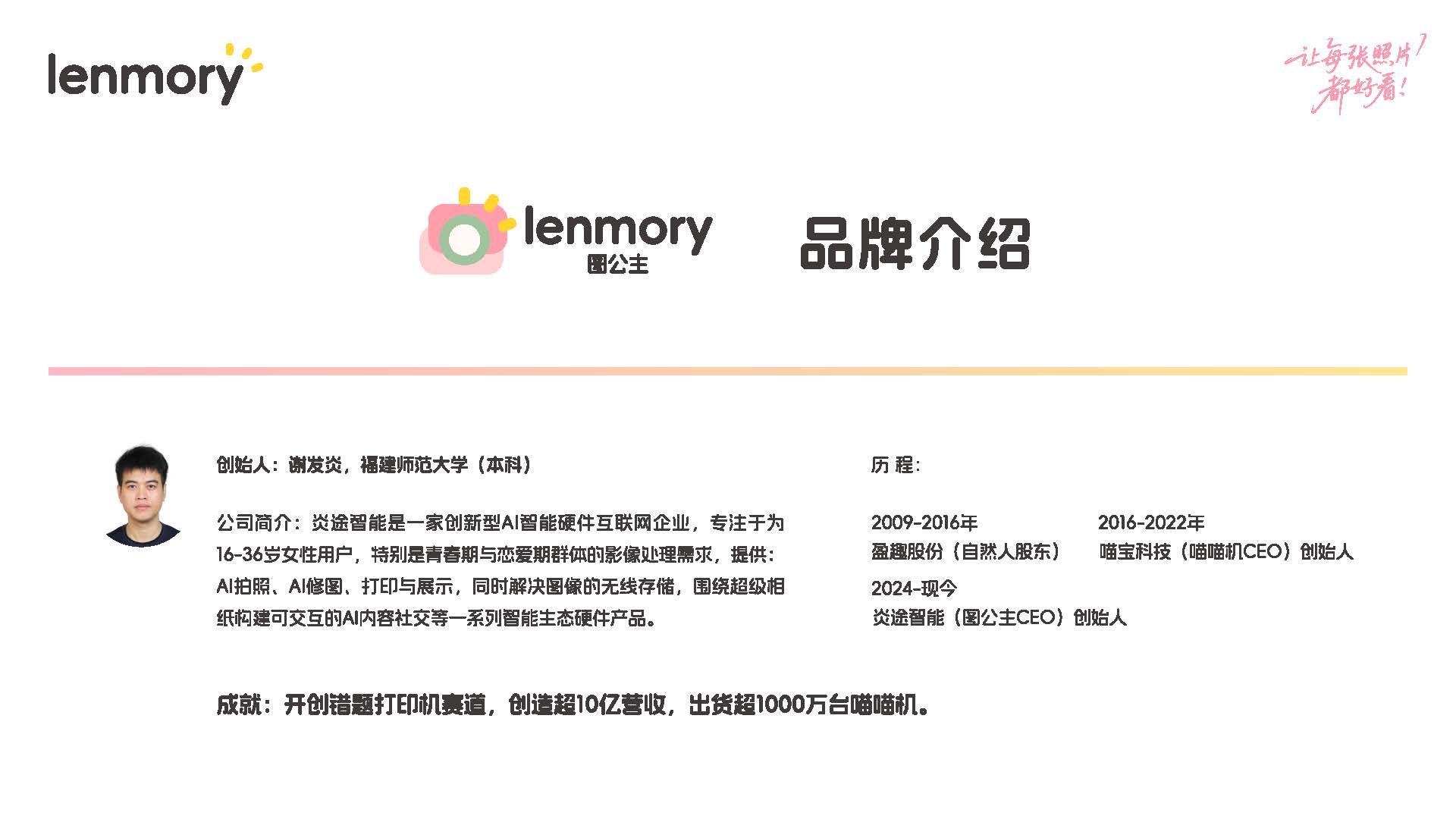
It came from someone who has been persistently experimenting at the intersection of imaging and hardware — Xie Fayan.
If you've ever used a Miaomiao printer, you've likely already encountered his products in some sense. The Miaomiao printer is a minimalist compact printing device that brought "printing anytime, anywhere" into the hands of ordinary people. It was once hugely popular in study scenarios, helping many turn key knowledge points, mistakes, and notes into small stickers they could stick anywhere.
At that stage, Xie Fayan productized "instant output" at scale for the first time, giving a seemingly traditional hardware form new vitality in the mobile internet era. The Miaomiao printer eventually sold over 10 million units cumulative.
This is not just a sales figure — it means a massive number of users genuinely experienced "instant printing" in their daily lives: taking content off the screen and turning it into something tangible that can be touched, stuck on a desk, or flipped through casually.
After this, he created another important but relatively low-key product — the electronic word card.
The significance of this product lies in the fact that it gave the team their first deep exposure to E Ink display technology. Unlike traditional screens, E Ink displays emit almost no light, consume extremely low power, can hold an image for extended periods, and offer a visual experience much closer to "paper."
The electronic word card surpassed 1 million units in sales within a year of launch. It validated something important: people don't only need "screens" — they also need a quieter, more paper-like digital experience.
More importantly, this phase gave the team their first systematic understanding of a question: when "content" no longer exists solely on screens but can persist stably on a paper-like medium, the way people "record" and "display" things changes.
This laid the foundation for the later exploration of color ePaper.
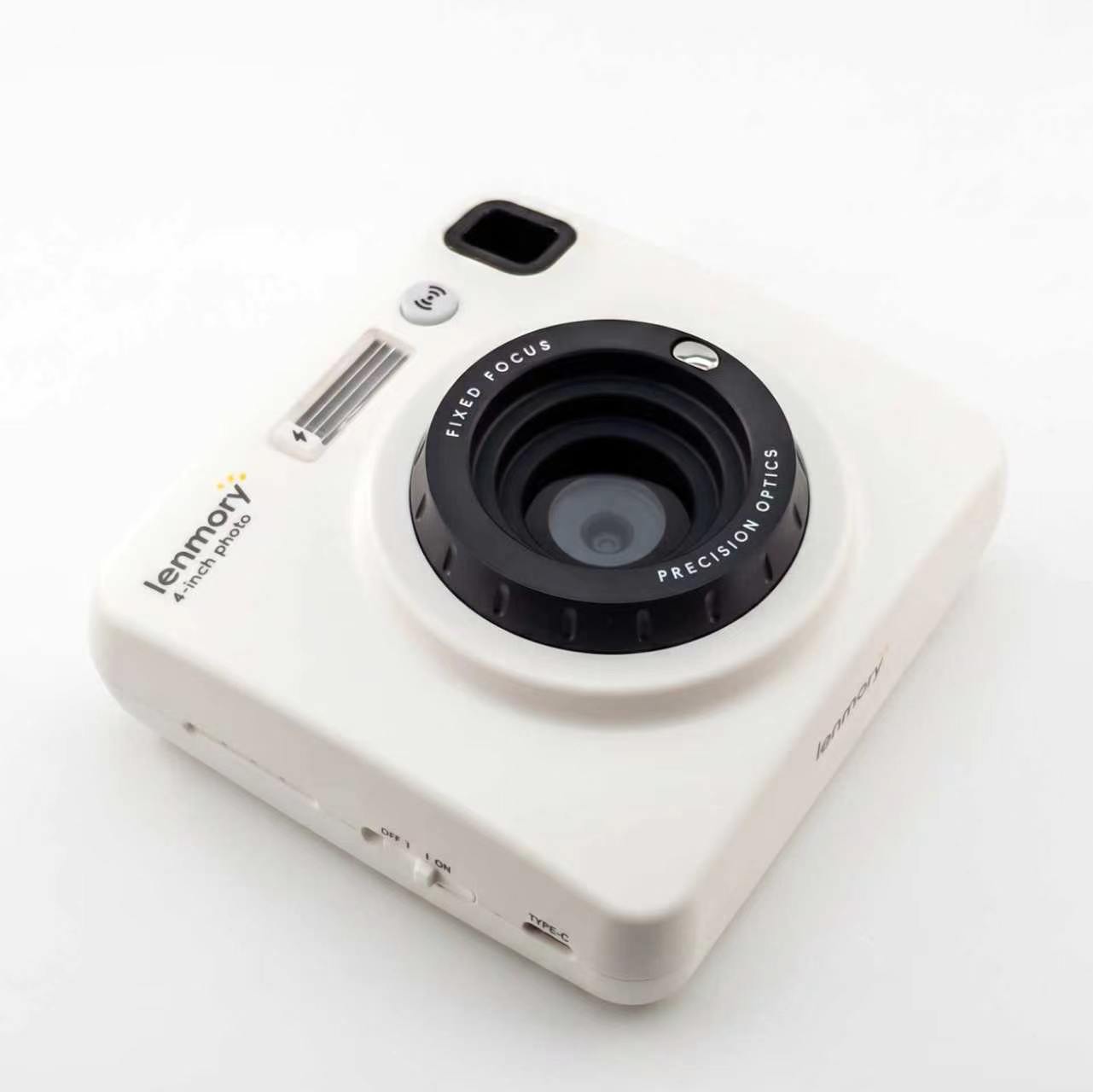
If the Miaomiao printer solved "how to print content out," and the electronic word card solved "how to make digital content persist like paper," then the next question naturally arose: could "images" themselves become a tangible entity that persists long-term, can be freely changed, and carries no consumable burden?
It wasn't until color ePaper gradually matured that a clearer outline of an answer began to emerge.
We suddenly realized: perhaps the most captivating part of instant cameras doesn't necessarily have to rely on consumable film.
What we truly want to preserve is the experience of "press the shutter → immediately get a result you can hold in your hand → it becomes part of the moment."
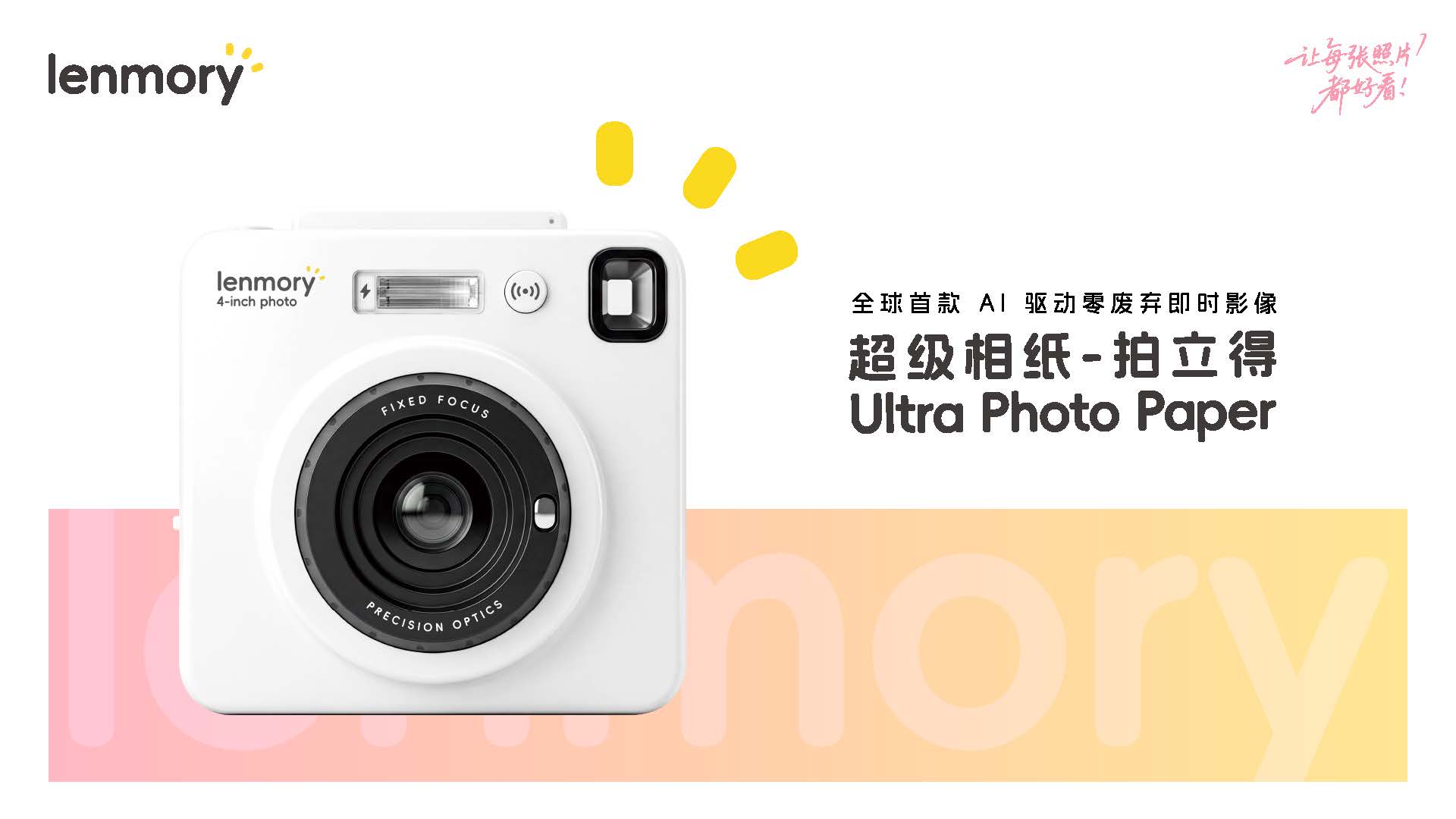
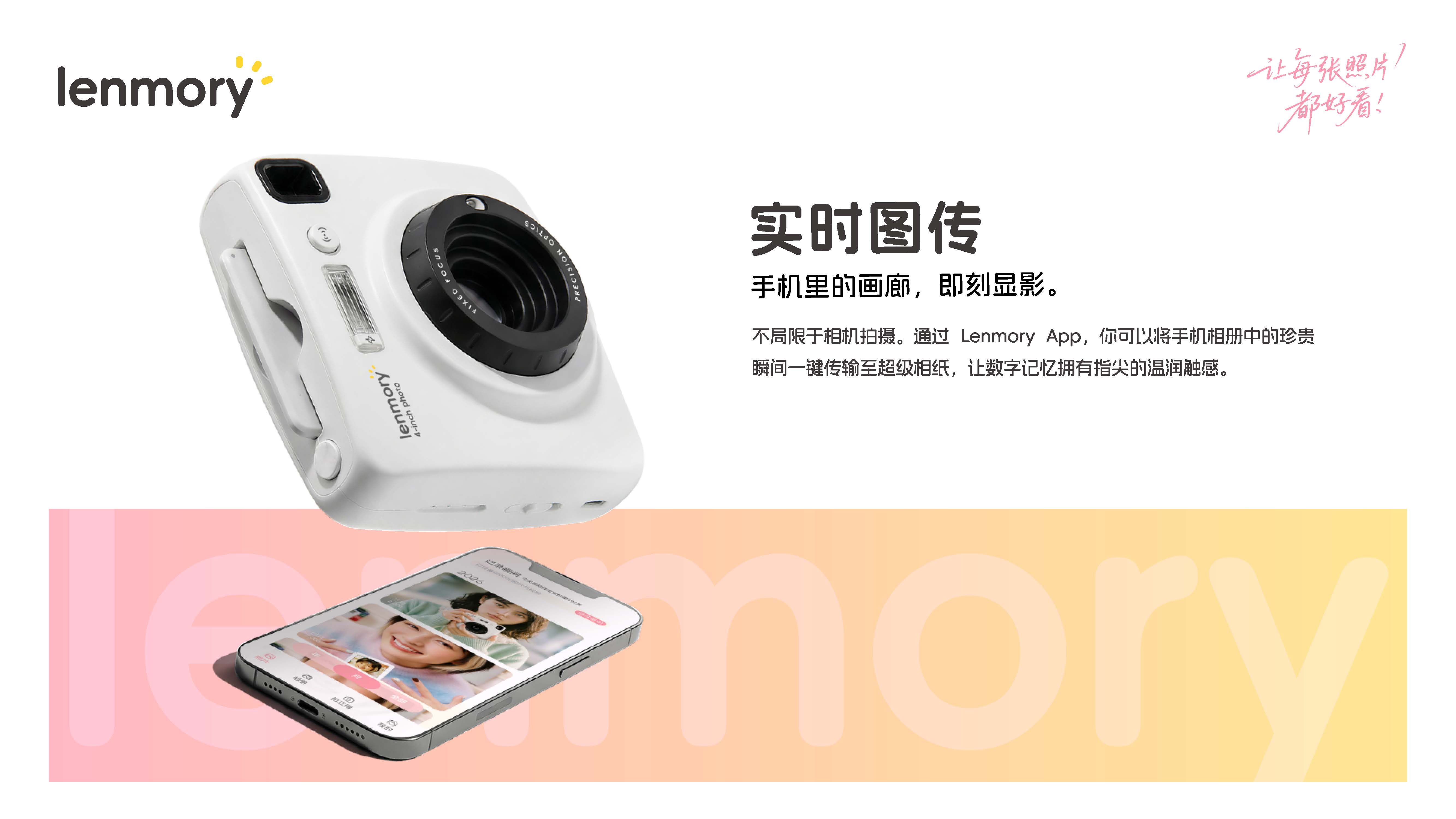
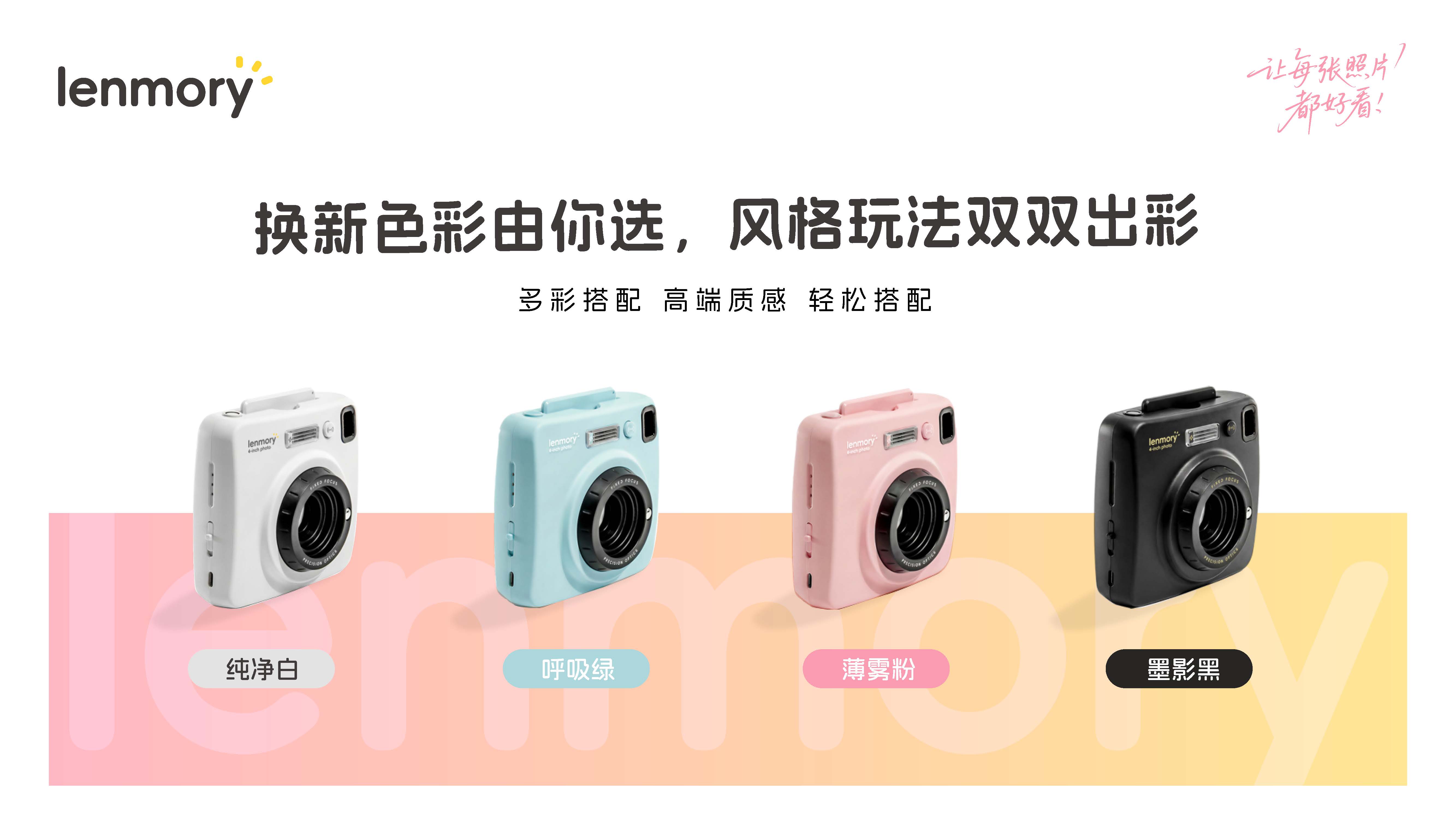
Thus, a new product form began to be proposed: the ePaper instant camera.
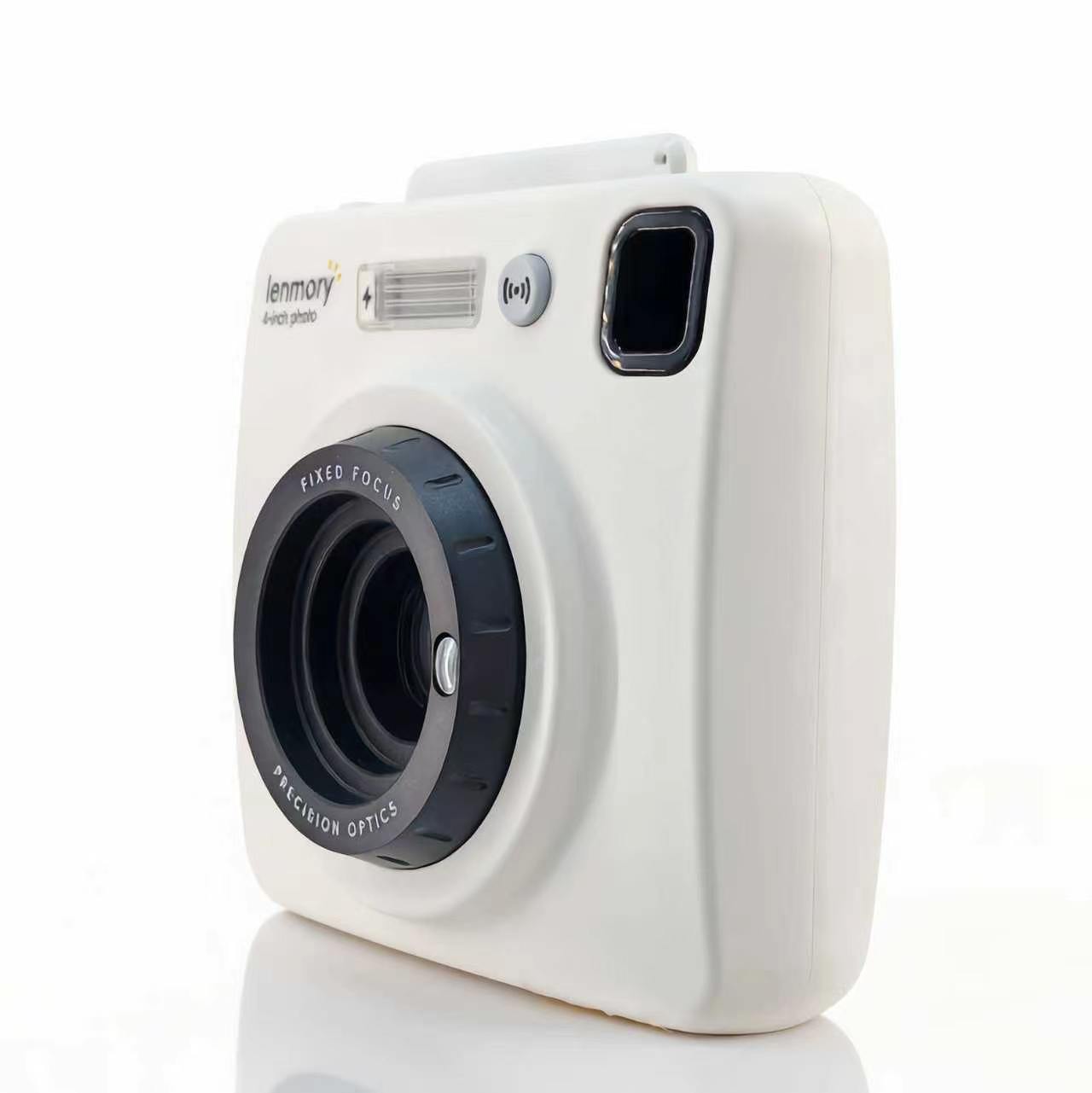
It is not a replacement for the traditional instant camera, nor an extension of the smartphone gallery, but an entirely new intermediate form — between "paper" and "screen," between "physical" and "digital."
If the essence of the instant camera is "freezing a moment, once," then the ePaper instant camera aims to make freezing moments something that can happen repeatedly, without burden.
It still preserves the ritual of instant photography: press the shutter, wait for the image to generate, hold the physical result, share it with friends. But the difference is, this "photo" is no longer consumed.
It can be re-shot, replaced, and re-recorded. It can sit on a desk long-term, or become the next new memory at any time. It won't waste cost on failure, nor miss a moment due to hesitation.
In this process, Xie Fayan's accumulated experience in hardware products became very clear. The Miaomiao printer era's understanding of "low-barrier recording" taught the team how to make users willing to use a device frequently; the electronic word card era's practice with E Ink displays taught the team how to balance "long-lasting display" with "low power consumption"; and these experiences ultimately converged on a larger direction: the physical manifestation of images, but no longer at the cost of consumption.
When color ePaper matured, this path finally began to converge into a clear product definition.
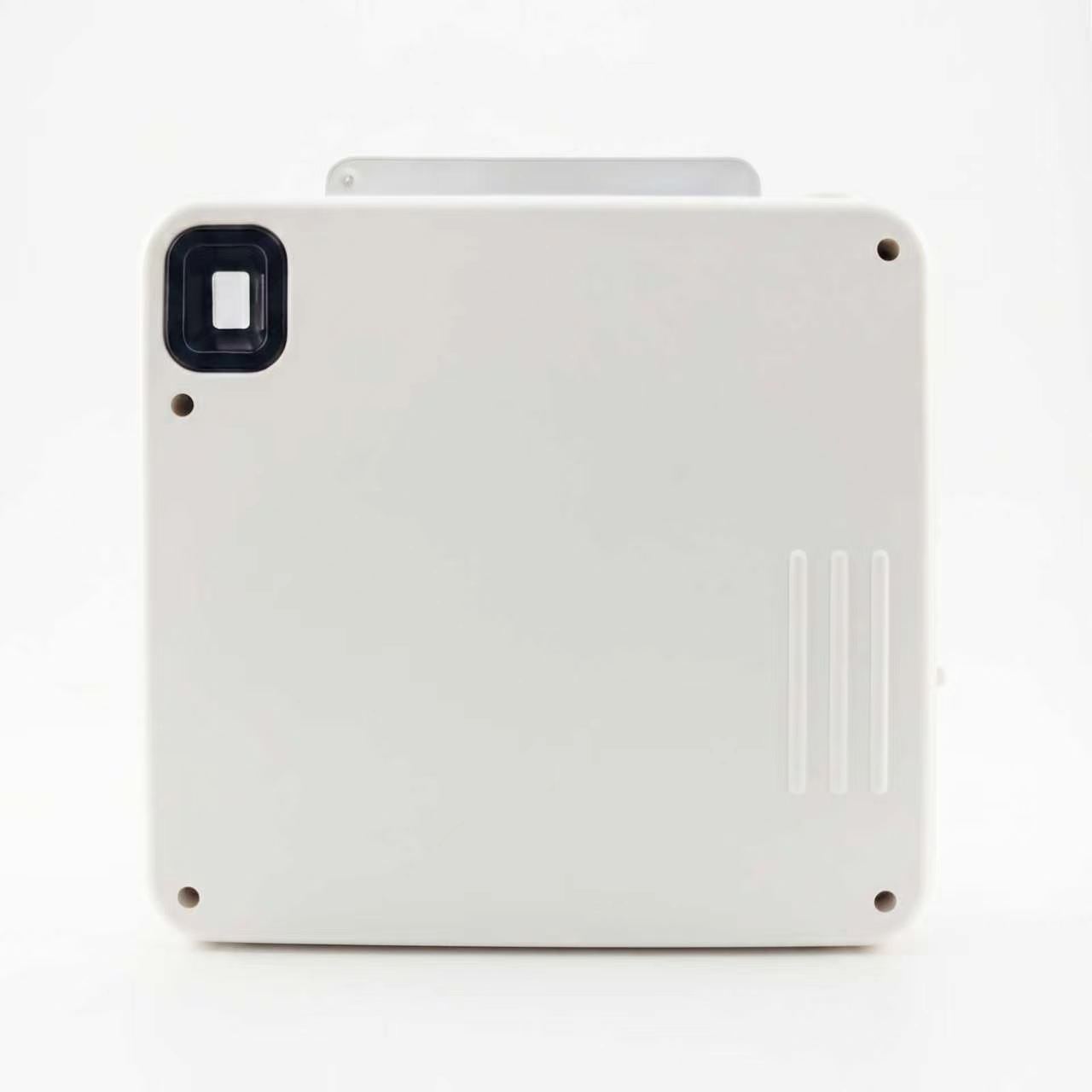
We began to imagine a new scenario.
At a gathering, everyone takes a group photo — no longer worrying about whether there's enough film, no longer afraid of a bad shot. The photo appears on the ePaper display within seconds, becoming a real part of the tabletop. If someone isn't satisfied, they can shoot again; if someone wants to add a caption, they can edit it instantly; ultimately, this photo becomes a "shared memory entity" for that moment.
On a trip, users can continuously update the image, keeping their favorite moment on the ePaper display, letting it accompany the entire journey.
In daily life, it can become a quiet memory window: today, a friend's smile; tomorrow, the sky from a walk; the day after, an ordinary but warm afternoon.
It is no longer "taking a photo," but "letting a memory enter physical space."
This is the experience the ePaper instant camera hopes to create.

It inherits the emotional value of instant cameras but removes the anxiety of consumption; it retains the physicality of photos but breaks free from one-time costs; it is not like a smartphone — infinite yet easily forgotten — nor like traditional film — precious but irreversible. It is more like a "memory frame" that can be continuously updated.
Our vision thus became very clear: let more people document life without burden.
This "without burden" is not merely about lower cost — it is a release of psychological state. You don't need to hesitate before pressing the shutter, you don't need to regret a bad shot, and you don't need to do cost calculations when it comes to recording life.
You just need to record.
Because life itself is already worth preserving.
The ePaper instant camera hopes to be such a tool: at gatherings, it brings people a little closer; on trips, it lets memories linger a little longer; at life's important moments, it gives emotions a place to land.
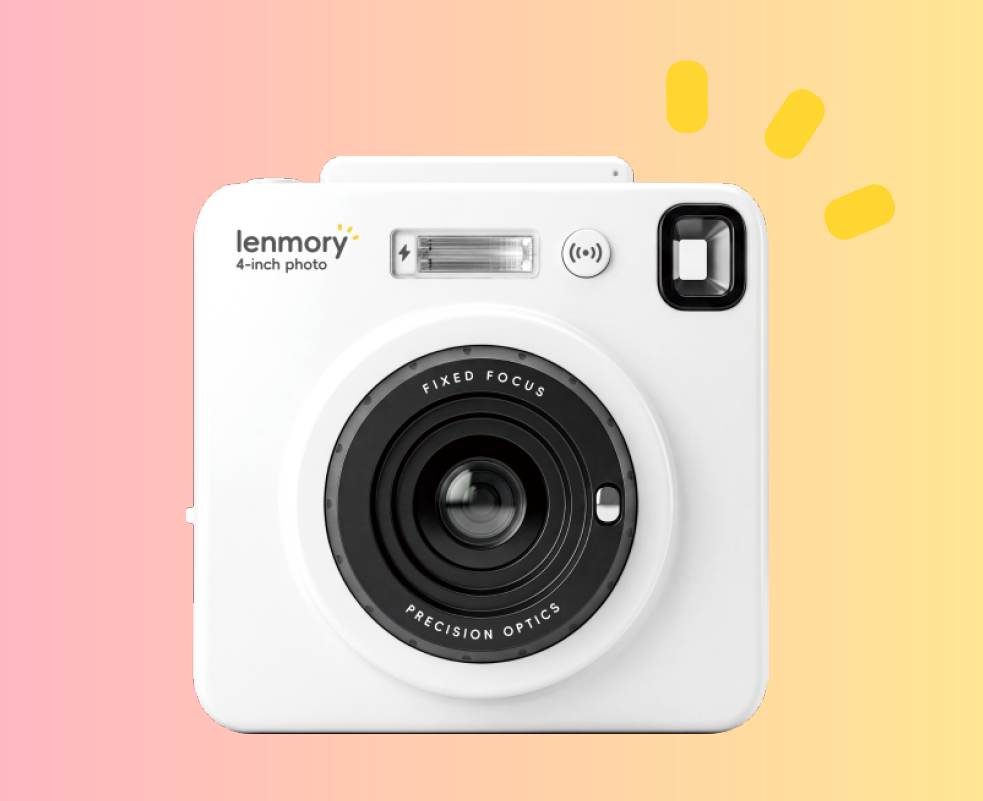
And at the starting point of this path, there is an important trajectory of accumulation: from the Miaomiao printer, to the electronic word card, to the emergence of color ePaper.
They are not isolated products, but a path continuously approaching the same question: can we make "recording" lighter and lighter?
As this question was answered step by step, the ePaper instant camera naturally appeared.
It is not a sudden invention, but the result of long-term exploration. It is also a very simple return — letting people want to take photos again, want to record again, want to believe again that every ordinary moment deserves to be seen.
And without any burden.