
I. Product Innovation Background
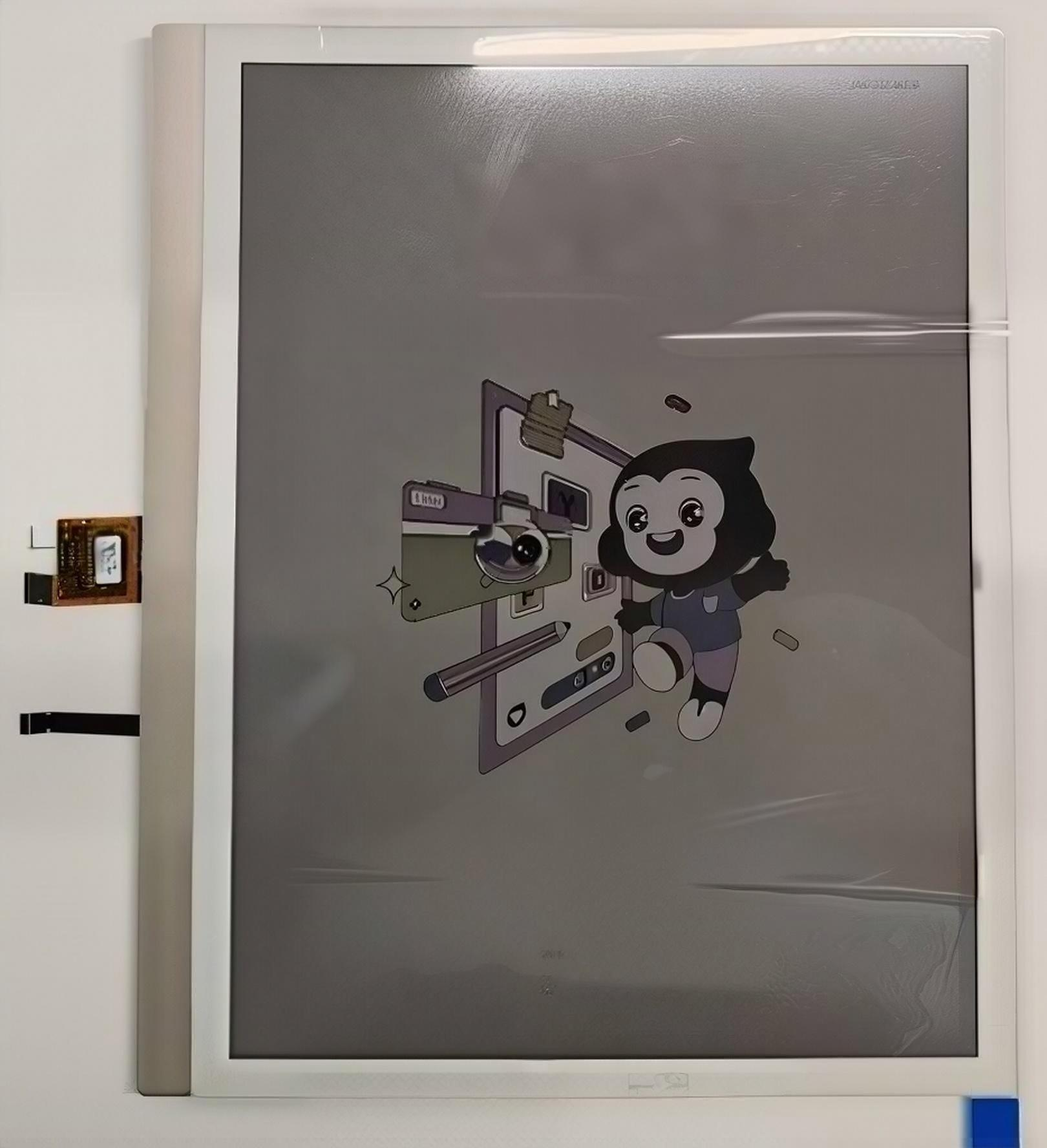
Traditional electronic product cover plates are primarily made of rigid transparent or single-color materials such as glass and acrylic. Their colors and surface ID patterns (e.g., brand logos, decorative textures, personalized identifiers) are fixed designs that cannot be adjusted based on user preferences, usage scenarios, or environmental changes. This fixed design approach has the following limitations:
(1) Limited functionality: Traditional cover plates only provide basic screen protection and scratch resistance, lacking interactivity and engagement. Users cannot switch cover plate colors and ID patterns according to personal preferences, failing to meet aesthetic requirements across different scenarios such as daily use, business settings, and leisure activities.
(2) Limited color options: Traditional cover plates typically come in black or white, making it difficult to switch colors. Color mixing is challenging — repeated ink color adjustments often still fail to achieve the desired color effect.
(3) Poor adaptability: Fixed-color cover plates exhibit significant visual differences under varying lighting conditions. For example, light-colored cover plates reflect glare under strong light, while dark-colored ones have low visibility in dim environments. Additionally, fixed ID patterns cannot provide dynamic feedback based on device status (e.g., power-on, charging, notifications).
Therefore, developing a new type of cover plate with a simple structure, controllable cost, and dynamically changeable colors and logo patterns has become key to addressing the limitations of existing technologies. ePaper color-changing film technology offers advantages such as low power consumption, lightweight flexibility, and flexible color switching. Applying it to electronic product cover plates can effectively solve the above issues and meet the demand for personalized customization of electronic products.
II. Product Innovation Purpose
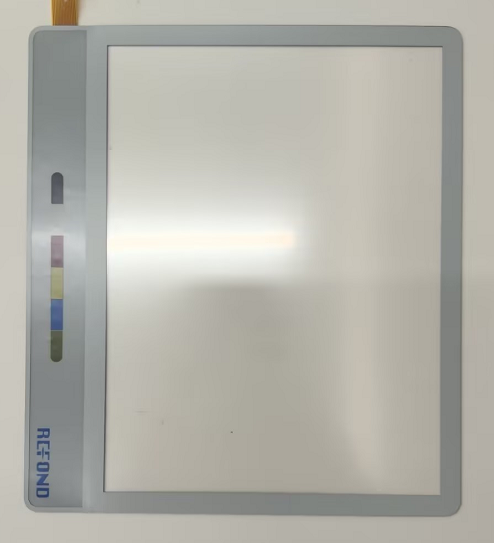
Since the display layer of ePaper screens is composed of micro-capsules containing dye molecules, it cannot bend like OLED. This makes it difficult to resolve the space occupied by edge wiring, limiting the design to three-sided narrow bezels at most. This results in one side always having a wider bezel, significantly constraining the overall ID design of the device. The only workaround is to silk-screen side strips in different colors to create a visual narrow-bezel compensation.
Our product department engineers, while exploring color-changing film applications, noticed that customers frequently adjust side strip colors back and forth. To achieve the desired visual effect, a single new project's cover plate often requires multiple rounds of sampling and color confirmation. This led to the exploration of applying color-changing film technology to cover plate color variation. After discussions with the customer, we jointly decided to develop a cover plate product capable of side color changing.
III. Design Inspiration
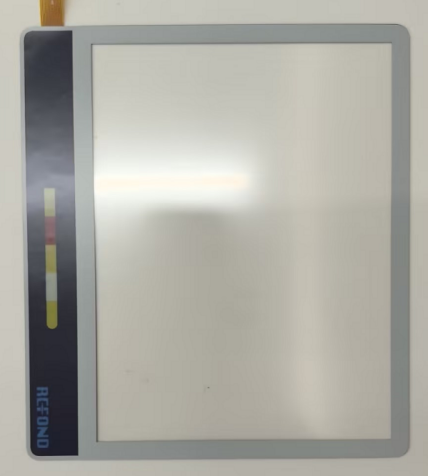
The vertical gradient color strip design on the cover plate side is rooted in Eastern natural aesthetics and the art of light and shadow flow. Drawing inspiration from the natural color transitions of mountain glow between dawn and dusk, it captures the diverse color palette that flows naturally from sunrise to sunset, freezing ever-changing natural light and shadow within the compact side area. This imbues the minimalist, rectangular screen exterior with dynamic layered beauty and poetic depth.
The vertically arranged gradient colors replicate the light and shadow transition pattern of the sky from deep to light, warm to cool during dawn and dusk. The warm tones of reddish-brown and light yellow are drawn from the morning glow at dawn, carrying a vibrant and lively visual atmosphere that symbolizes vigorous upward momentum, representing the device's stable, efficient, and continuously sustained performance. It also embodies the user's aspirations to move forward and forge ahead. The transitional blue tones originate from the clear sky, representing rationality, reliability, and composure, reflecting the product's precise and stable technical core and conveying a professional, rigorous character. The concluding deep green and gray tones are extracted from the tranquil base colors of mountain forests at dusk, combining inclusiveness and calmness — both softening the visual clutter of multi-color combinations and symbolizing steady endurance and long-lasting durability.
The regular vertical narrow strip design, set against the large-area minimalist silver-gray body, breaks the monotony of the overall appearance. The vertically extending color lines visually elongate the body proportions, giving the device a sleek and refined aesthetic. Multiple colors transition gradually and softly without strong color conflicts, balancing premium visual recognition without disrupting the device's overall minimalist and elegant design tone.
The design distills the beauty of natural temporal sequences into industrial product details, integrating the gentle poetry of mountains and rivers at dawn and dusk into hardware exterior design, giving cold industrial components the warmth of natural aesthetics.
IV. Product Structure
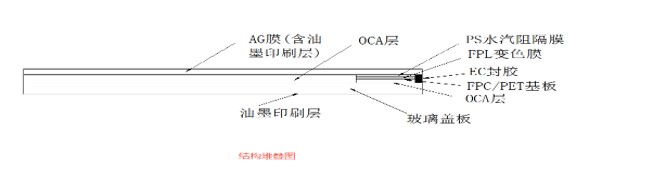
The RF-ET0700356 color-changing cover plate is a color-changeable eReader cover plate product. The product includes a glass cover plate, AG film, PS film, color-changing ePaper, and a complete driver board.
1) Color-changing cover plate stacked structure
2) Substrate routing and processing flow
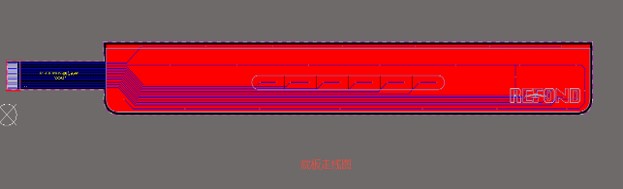
Substrate: Uses ultra-thin, ultra-light substrate material primarily composed of polymer compounds. The circuitry employs high-precision transfer printing technology, with silver paste via-holes connecting the carbon paste blocks on the front of the substrate to the silver wire traces on the back. The substrate processing flow is as follows:

3) ePaper
E Ink Prism™ 3S microcup-based 6-color ePaper. The film consists of millions of microcup structures, with microstructure sizes approximately the diameter of a human hair. Each microcup contains four types of charged particles suspended in a transparent fluid: positively charged red and blue particles, and negatively charged yellow and white particles. When a positive or negative electric field is applied, the corresponding particles migrate to the top of the microcup, displaying the desired color and pattern. In Prism 3S color display, E Ink guarantees six colors: white/red/yellow/black/blue/green, where white/red/yellow are primary colors and black/blue/green are mixed colors.
Upper PS film: A barrier film suitable for EPD displays and flexible solar photovoltaic encapsulation, featuring high weather resistance and high moisture barrier performance. The water vapor transmission rate (WVTR) can meet 10⁻³.
4) Driver module
The Prism 3S driver IC uses the IST7400LB1. The IST7400LB1 is a 64-channel output ePaper (EPD) source driver chip. The device employs a 3-bit serial input/parallel output architecture, with each output channel integrating level-shifting functionality that converts 3-bit digital signals into 8-level analog output voltages (VP3, VP2, VP1, GND, VN1, VN2, VN3, and high-impedance state Hiz). Through input logic levels combined with OE pin control, the 64 output pins (S1 through S64) can dynamically switch to any of the above voltage levels.
The main controller chip is the STM32 microcontroller from STMicroelectronics, featuring an ARM architecture core with low-power characteristics. 64Mb SPI flash + 2kb EEPROM, USB UART/USB Slave/TF card/NRF/ATK-Module Port.
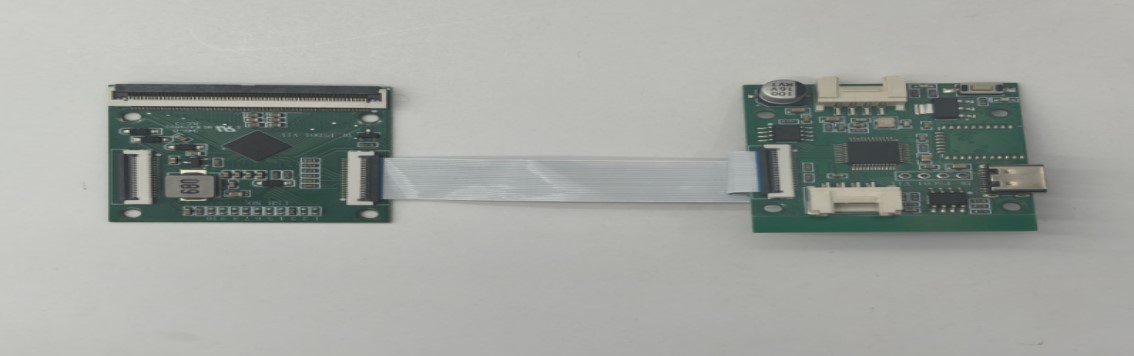
(Control card module)
V. Product Demonstration Results
In April, we completed sample assembly and debugging, and brought the product to the customer site for live demonstration. A total of 5 programmed dynamic graphic loops were displayed, along with multiple static graphics. The samples were controlled via board cards, with future support for whole-device APP control. The customer expressed satisfaction with the display effect and will continue to explore the application of color-changing film on eReader cover plates, promoting multi-scenario applications of color-changing film technology.