I. Company Profile
Qingdao Hisense Communications Co., Ltd. formed its team in 2000 and was founded in 2001; in 2005 it set up its wholly owned subsidiary, Qingdao Hisense Mobile Communications Technology Co., Ltd. With a strong R&D team, by 2025 the company held 3,716 mobile communication terminal patents, 78 PCT international patents, 48 national, provincial and municipal science and technology projects, and 39 provincial and municipal science and technology awards. At the very beginning of its establishment the company built a strategic partnership with Qualcomm, and in 2004 it reached strategic cooperation with Unisoc, becoming one of its α customers. In 2001 it launched China's first CDMA color-screen phone, the C201, and in 2006 it developed the D806, then the world's thinnest CG dual-mode dual-standby handset.
II. R&D Capabilities
Hisense Communications has the complete development capability for mobile communication terminals: independent RF antenna development, whole-device ruggedized design, video and image processing, audio design, information security design, ultra-long battery endurance, CMF design and software customization.
The company also works with complete laboratory facilities. Its laboratory center comprises eight specialized laboratories — RF, OTA, audio, imaging, electrical performance, environmental, reliability and software stability — covering every aspect of communication technology and products. They support the full development and testing flow, from hardware components, complete devices and software protocol interoperability to structural reliability and product packaging tests, and, backed by its own development team, the company can provide customers with domestic network access, operator testing and export certification pre-testing.
III. A Look Back at Hisense E Ink Phones
As early as 2015 we realized that smartphones were entering a phase of fully homogenized competition: LCD and OLED screens commonly suffer from blue light and flicker, while E Ink displays offer paper-like eye comfort, sunlight readability and extremely low power consumption for static images. Yet a pure E Ink device cannot meet everyday needs for communication, video and color interaction.
Drawing on its strong R&D capability, the company began to build up and explore a dual-screen phone concept in 2016 — a color main screen plus an E Ink second screen. One phone, two display systems: the regular color screen on the front covers social networking, video and photography, while the E Ink screen on the back carries fragmented reading, news browsing and focus mode. The idea completed hardware stacking and dual-screen driver system pre-research in 2016 and entered mass production in 2017, making Hisense the first manufacturer in China to mass-produce a dual-sided smartphone with both a color screen and an E Ink screen.
3.1 The industry pioneer: A2 / A2 Pro
1. In February 2017 Hisense officially launched the dual-screen phone A2, which had already been previewed at CES 2017 and MWC 2017.
Display: 5.5-inch FHD AMOLED color screen on the front, plus a 5.2-inch E Ink display without backlight on the back.
Platform: Snapdragon 430, 3,090mAh battery, 2.5D glass on both sides.
Signature innovation: it was the first mass-produced model in the world to achieve dual-sided touch, dual-sided call answering and dual-sided fingerprint recognition. Flipping the phone moves the picture to the E Ink screen, whose static display draws almost no power — ideal for reading novels and news over long periods.
2. At the end of 2017 the product was upgraded to the Hisense A2 Pro, which optimized memory and system scheduling, refined the dual-screen switching logic and fixed E Ink app compatibility issues, laying a solid foundation for Hisense's dual-screen technology.
Industry significance: the A2 series established Hisense's product paradigm of a color screen plus an E Ink screen and proved that a phone need not be a single-sided full-screen slab, opening up a new category that combines a phone and a portable reader.
3.2 2018–2019: more mature dual-screen solutions, the Hisense A6 / A6L
1. In November 2018 Hisense launched the dual-screen phone A6, the world's first dual-screen phone with a front-lit E Ink display.
Display upgrade: a 6.01-inch full-screen AMOLED on the front and a 5.61-inch Carta E Ink display with parallel soft front light on the back. The device historically solved the A2's inability to be read at night, with 256-level linear dimming.
Hardware: Snapdragon 660, 6GB of memory as standard, a dedicated Ink Smart key for one-touch switching to E Ink mode, screenshots and reading launch, and dual-sided face unlock.
Positioning line: two-sided vision, eye-friendly reading.
2. In 2019 the upgraded Hisense A6L went on sale. The A6L was an extended iteration of the dual-screen flagship, with the E Ink screen size adjusted once more, a refined power strategy and an improved Android dual-screen driver framework. It was also an important watershed: the last generation of Hisense's traditional one-piece front-and-back dual-screen phones.
The one-piece front-and-back dual-screen approach had inherent drawbacks: a thicker body, limited battery capacity and high structural yield cost. For these reasons the company opened up two routes in parallel:
• Route 1: one-piece dual screen (the A-series dual screen), with iteration slowed for a period.
• Route 2: single-sided pure E Ink reading phones, aimed at low-vision users and reading enthusiasts, with a simplified structure and long battery life as the core proposition.
3.3 2019: the A5 / A7 / A9 line turns to single E Ink reading phones
1. The Hisense A5, launched in 2019, was the first single-sided pure E Ink phone. The front color screen was removed, leaving a single E Ink panel; positioned as an entry-level secondary reading phone, it validated market demand for pure E Ink phones.
2. In 2020 the first 5G E Ink phone, the Hisense A7 / A7CC, went on sale with a 6.7-inch large screen, offering both black-and-white and color E Ink (CC) versions and powered by the Unisoc T7510 5G chip, targeting low-vision users and the mobile reading market.
3. In 2022 came the flagship Hisense A9, with a 6.1-inch 300PPI high-definition E Ink display, dual-color warm and cool front light and HiFi audio. Highly mature, it became a market benchmark for years. During this period the company did not stop its dual-screen architecture research; it only paused mass production of one-piece front-and-back dual-screen models while continuing to iterate E Ink drivers and multi-display coordination algorithms.
IV. 2026: Back to the Idea, Upgraded — the Hisense A10 Modular Dual Screen
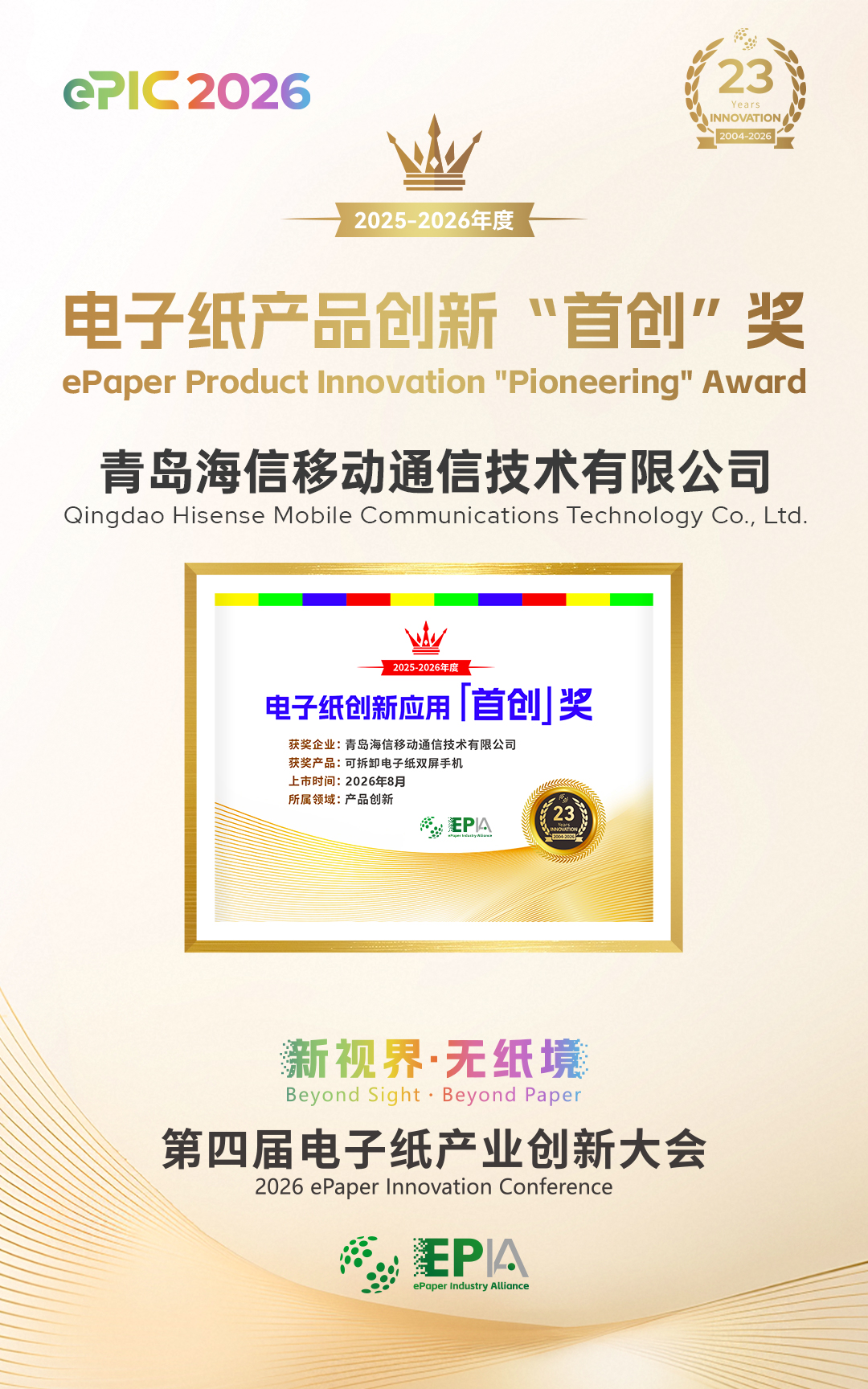
After several years, the company has once again brought the dual-screen design to life. The classic idea of an E Ink screen plus a color screen abandons the previous one-piece front-and-back structure and is upgraded into a magnetically attachable, detachable modular display solution: the all-new 5G E Ink phone, the Hisense A10.
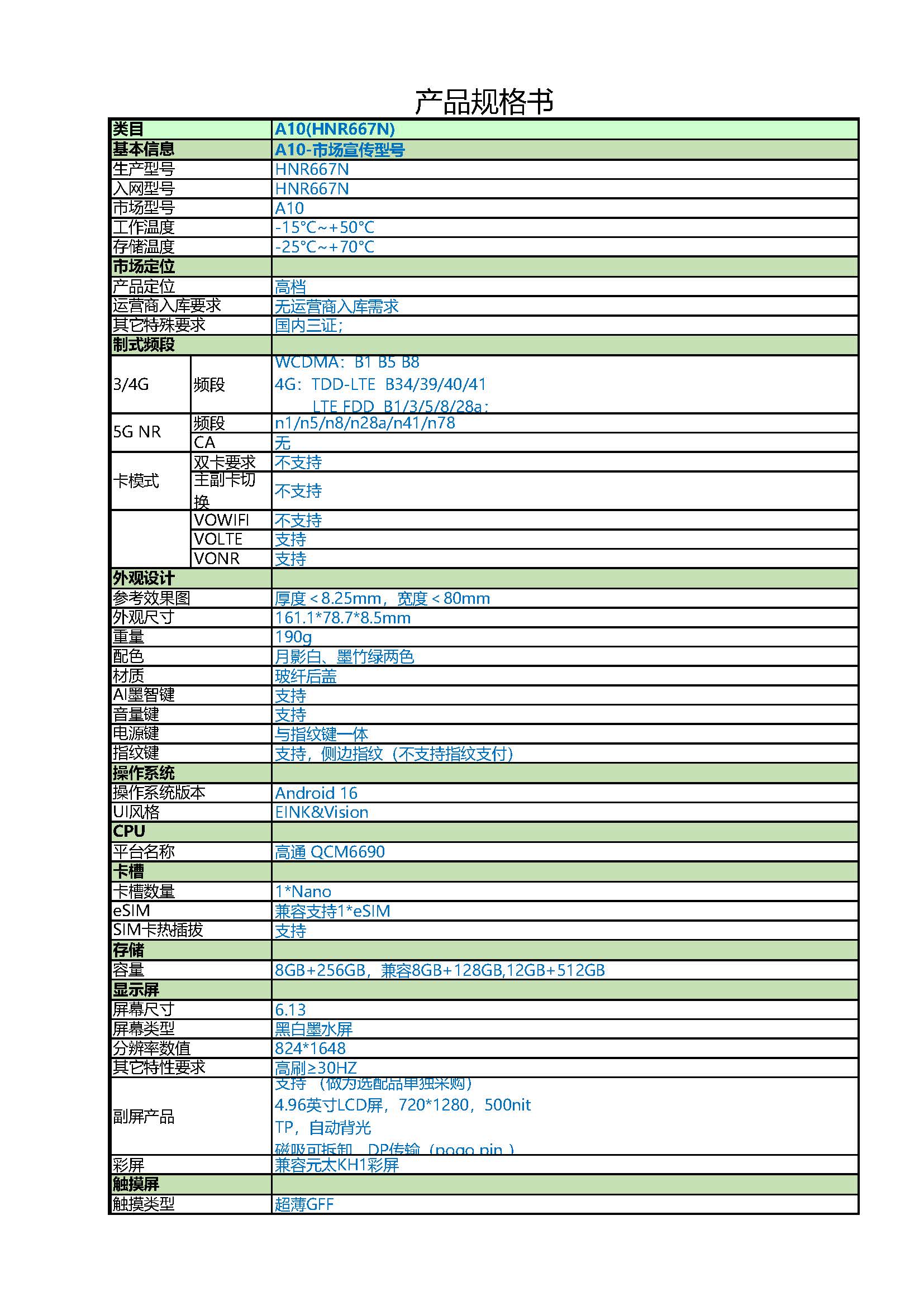
The front of the Hisense A10 carries a 6.13-inch E Ink Carta 1300 panel with 300PPI resolution — retina level, and among the flagship display panels in today's E Ink industry. The device integrates the industry-leading E Ink T2000 hardware decoding chip, optimizing eye comfort at the architectural level, and raises the E Ink refresh rate to 30Hz, greatly improving page-turning smoothness.
The biggest innovation is the detachable secondary screen module: the industry's first magnetically attachable modular secondary screen using high-speed DP transmission. The module carries a 4.96-inch LCD screen with 720 × 1280 resolution. Users can attach or detach the color module as needed, switching freely between a pure E Ink focus-reading mode and a color multimedia interaction mode.
The design follows a minimalist geometric aesthetic that balances portability and quality. The body is only 8.4mm thick and 7.8cm wide, with total weight kept at 190g.
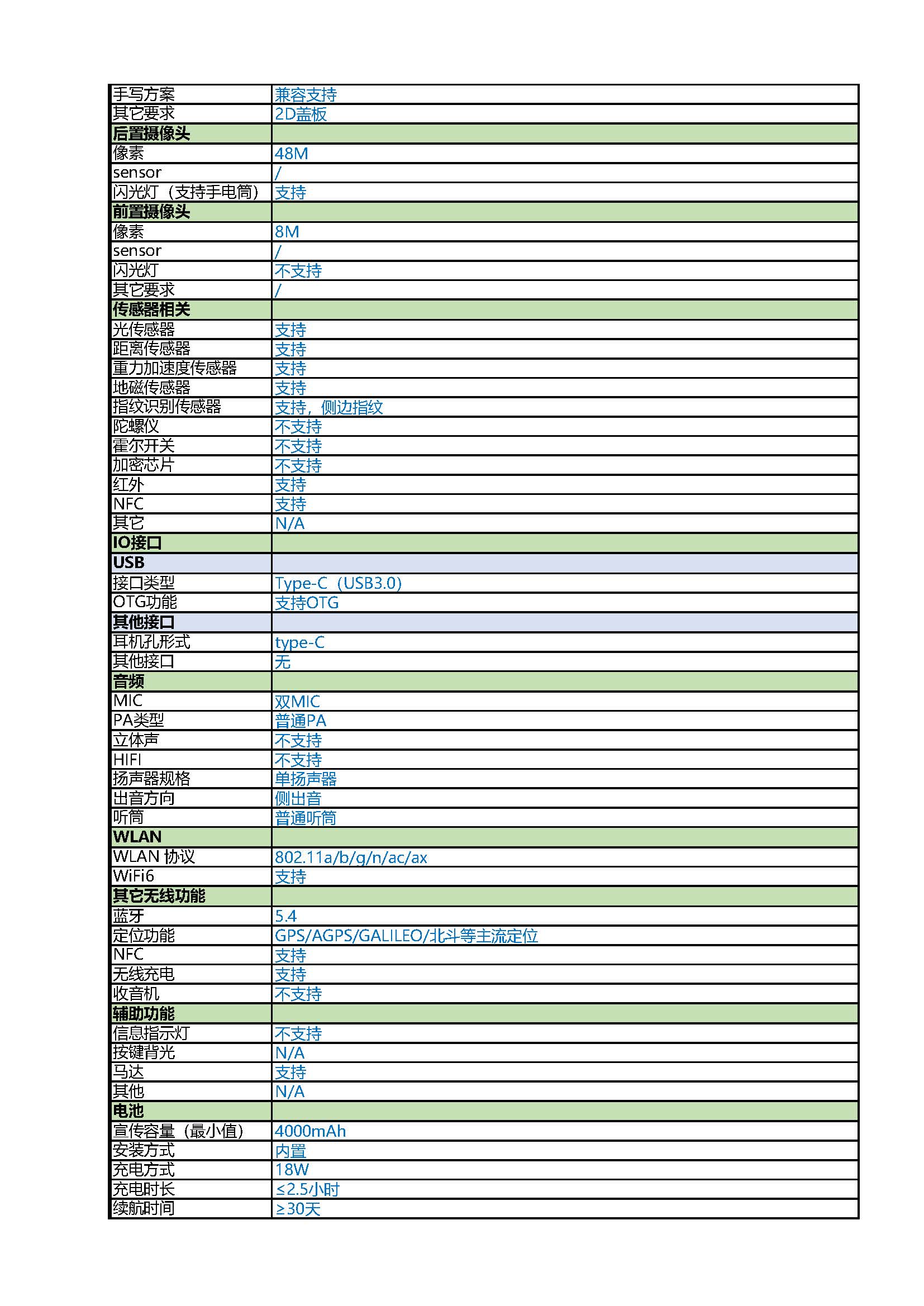
At its core is a 4nm Qualcomm QCM6690 industrial-grade chip clocked at up to 2.9GHz, balancing high performance with low power consumption. It runs the open Android 16 system, supports 5G across all networks and Wi-Fi 6 for seamless high-speed connectivity, and is one of the few phones on the market that supports eSIM.
The A10 also offers a range of AI applications, including voice meetings with real-time speech transcription and AI speaker separation to produce meeting minutes, simultaneous interpretation, real-time translation and a work assistant.
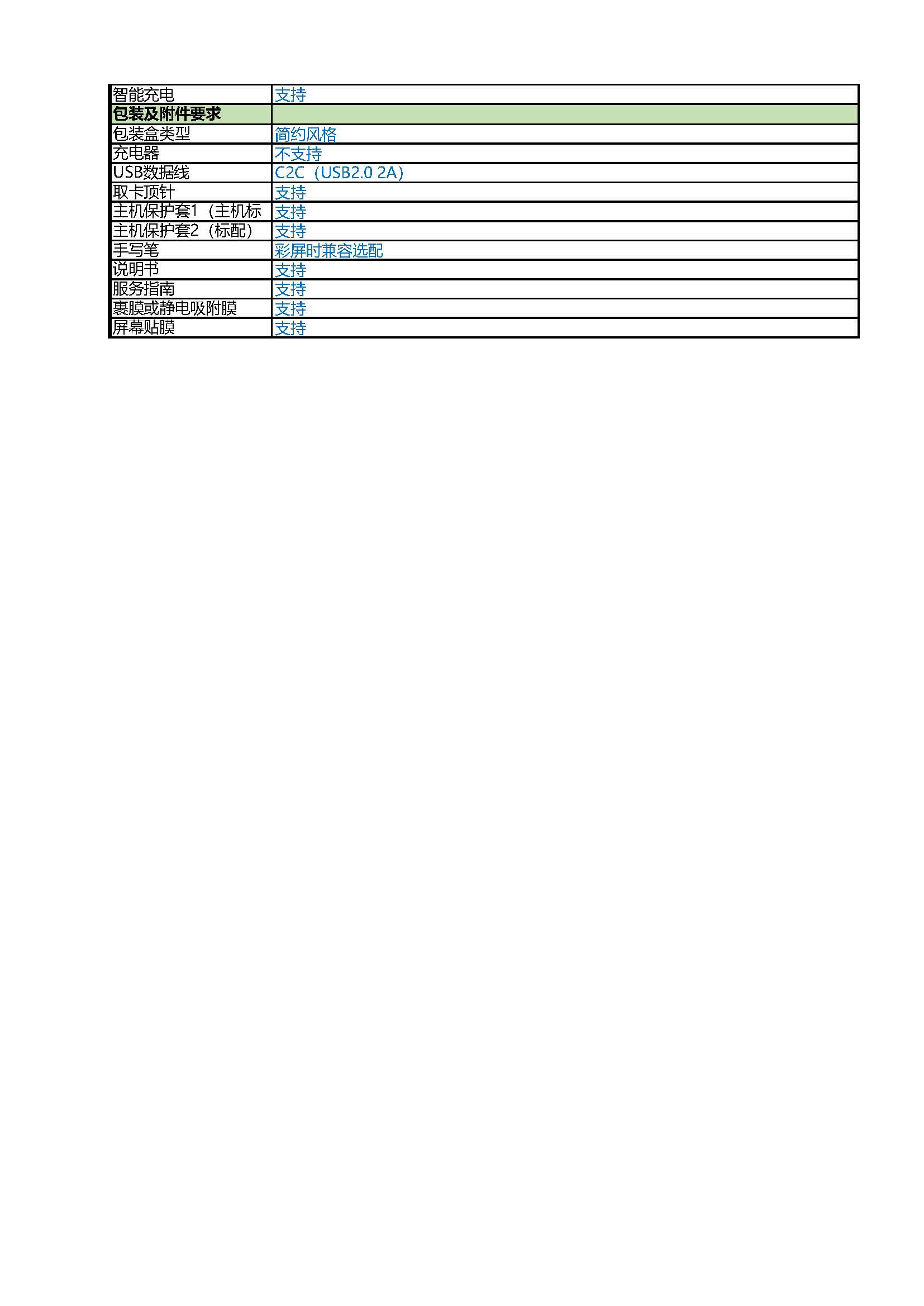
Product Specifications